The Role of Physiotherapy in Managing Chronic Pain
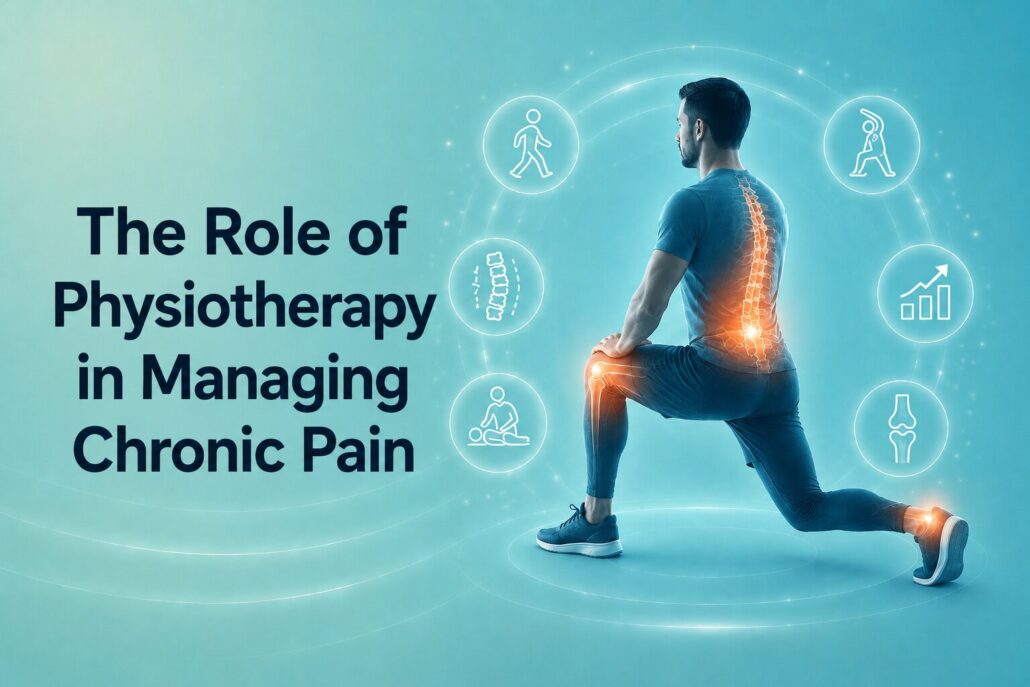
Chronic pain is the most prevalent disabling disease worldwide, and physiotherapy is one of the most recommended ways to deal with this condition. Through physiotherapy, patients learn how to make life with chronic pain more tolerable rather than relying only on passive treatments, but how?
What makes physiotherapy beneficial to people with chronic pain? When and where should these people get it? And what does physiotherapy even mean? This article answers and explains all of these questions and more.
What Is Physiotherapy?
Physiotherapy, or physical therapy, is a common healthcare treatment that focuses on certain exercises, stretches, and movements to restore mobility, strength, flexibility, and physical function. Physiotherapists, or physical therapists, are trained to assess disabling conditions accurately and develop a treatment plan that can include:
- Manual Therapy.
- Tailored therapeutic exercises.
- Stretching and flexibility work.
- Strength Training.
- Balance and movement retraining.
- Massage.
- Heat or cold therapy.
Typically, physical therapists aim to help patients with chronic pain by keeping them active and moving in a safe and gradual way; thus, providing some of them with substantial rehabilitation. Physiotherapy is also a major part of a broader active approach to pain management that treats pain through movement rather than complete rest.
How Does Physiotherapy Help in Managing Chronic Pain?
People frequently believe that physiotherapy will increase their pain; however, they fail to realize that physiotherapy is just targeted exercise, and exercise is already a part of their everyday life. Generally, physical therapists encourage patients to exercise and move within what they feel is manageable, then they gradually increase the range of the patients’ movements.
By changing the way patients approach the activities and exercises they find difficult, patients usually learn to manage their pain better. Over time, they find they can move more freely without pain. This in turn improves their confidence and self-esteem, strengthens their muscles and joints, reduces their negative thinking, and creates more positive feedback within their nervous system.
International guidelines also emphasize that rehabilitation should be tailored specifically to each patient according to their case, and that it may be combined with other treatments as part of a comprehensive pain management plan. Therefore, physiotherapy plays an important part of a bigger, patient-centered therapeutic plan.
When Should You Consider Physiotherapy?
Many cases and types of chronic pain can benefit from physiotherapy, you can consult your pain specialist or a physical therapist; as they are more qualified to determine whether you should consider physiotherapy as a part of your pain management plan. You may want to visit a specialist or ask about physiotherapy if you experience:
- Persistent back or neck pain.
- Joint pain or arthritis.
- Stiffness and muscle pain.
- Pain after surgery or injury.
- Difficulty walking, bending, or lifting.
- Recurrent pain that limits your daily activities.
Remember that there is no single exercise plan that works for everyone. So, make sure you are getting an individualized pain rehabilitation program based on your diagnosis, symptoms, and physical abilities. This individualized approach is especially important in chronic pain, because symptoms, activity limits, and recovery goals can differ widely from one person to another.
Move More, Move with Relief
If chronic pain is affecting your daily life, you do not have to manage it alone. At Dr. Samer Abdel-Aziz’s pain clinic, we suggest physiotherapy as part of our personalized comprehensive plans designed to improve your quality of life with chronic pain.
🗓️ Book your first appointment here: https://samerpainclinic.com/contact-us/
🗓️ Call us at +962790922204 or contact us via WhatsApp: https://wa.me/962790922204
Feel free to email your questions or concerns to info@samerpainclinic.com
Sources:
https://pmc.ncbi.nlm.nih.gov/articles/PMC6676152/
https://my.clevelandclinic.org/health/treatments/physical-therapy
https://pmc.ncbi.nlm.nih.gov/articles/PMC9119740/
