Living With Joint Pain: From Diagnosis to Long-Term Relief
There is a moment after you start feeling pain in one or more of your joints when the thought crosses your mind, “Is this my life now? Do I have to live with this pain forever?” You can be assured that it is not always the case, but first it is important get the cause of your pain diagnosed by a pain specialist so you can know what options you have.
Understanding how joint pain is diagnosed, treated, and managed over time is the first step towards long-term relief and improved quality of life. This article offers a general look at common diagnoses of joint pain, the different methods of managing joint pain, and guidelines on how to live with joint pain.
Common Causes of Joint Pain
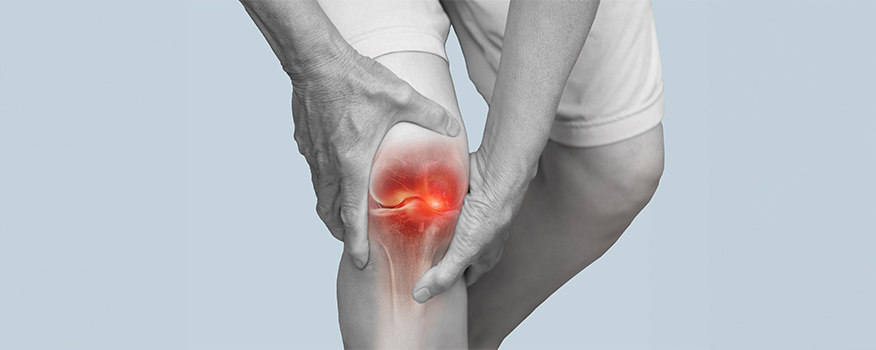
Joint pain is a prevalent complaint among adults, especially older women. A survey involving around 4500 people (aged 40 or older) in Germany found that about 50% of participants reported current joint complaints.
While aging can be a contributing factor, joint pain can arise from a variety of causes, each of which requires a slightly different diagnostic and treatment approach, and some of them are:
- Osteoarthritis. On a global scale, 595 million people had osteoarthritis in 2020; making it the most common form of arthritis. Osteoarthritis is painful friction caused by gradual wear and tear of cartilage in a joint. Although osteoarthritis can damage any joint, it most commonly affects the knees, hands, and hips.
- Tendon injuries. The thick cords that attach muscles to bones can fall victim to an array of agonizing injuries, which can range from inflammation (tendinitis) to a partial or a full tear.
- Rheumatoid arthritis. This chronic and inflammatory type of arthritis happens when the immune system attacks its own body’s tissues by mistake, and it eats away a lining of the joints and the bone under them. This causes a painful swelling that can cause joints to bend out of shape over time.
- Gout. This common form of arthritis causes uric acid to build up in the blood and leak into the joints like hands, wrists, or knees. The acid then crystalizes in the joint, causing lots of swelling, pain, and redness.
- Fibromyalgia. Fibromyalgia affects approximately 2-8% of the world’s population; it is a chronic disabling condition characterized by general pain throughout the body including joints like knees and elbows.
- Repetitive motion injuries and overuse. Simply enough, joint pain can be caused by overuse or repetitively doing the same motion, as that causes the wear of the cartilage in the joint. Therefore, the joint loses mobility and causes discomfort.
Main Methods of Joint Pain Management
Getting an accurate diagnosis for your joint pain is crucial, of course, but it is not the end of the road. After pinpointing the cause, you should work with your pain specialist to know how to live with your pain and make it as tolerable as possible.
You can expect your specialist to recommend one or more of the solutions below:
1. Lifestyle Adjustment and Exercise
Modern evidence strongly supports exercise and lifestyle modification as foundations of joint pain management; they are the key of living with joint pain. They can be farther supported by weight management and correcting bad posture habits.
A study of 1,593 adults with osteoarthritis showed that the participants saw significant reduction in pain and stiffness, improved function, and enhanced mental wellbeing after going through a targeted exercise program for 12 weeks.
Evidence-based clinical guidelines recommend aerobic exercise, muscle strengthening, and cardiovascular fitness for knee osteoarthritis due to their consistent benefits for pain reduction and function enhancement.
2. Medications and Injections
Medications often play a role in managing joint pain, especially during flare-ups. Non-steroidal anti-inflammatory drugs (NSAIDs) are commonly used to reduce pain and inflammation; however, they are typically recommended for short-term relief or as part of a broader strategy due to their potential side effects when they are taken long-term.
In the case of arthritis-related joint pain, injections of steroids in the joint can be helpful. Knee pain can also benefit from hyaluronic acid injections, also known as viscosupplementation. It is mostly recommended to use these solutions sparingly within a more comprehensive plan.
3. Physical Therapy and Rehabilitation
Physical therapy plays a central role in improving joint pain by:
- Strengthening muscles around affected joints.
- Improving flexibility and range of motion.
- Educating patients on joint protection and body mechanics.
4. Spinal Cord Stimulation
For chronic knee pain after total knee replacement and chronic foot and ankle pain after surgery your clinician might suggest spinal cord simulation; a procedure that requires implanting a device in your body which works to send mild electrical pulses to the spinal cord that can reduce the pain by interfering with the pain signals your brain receives. The device is first tested to ensure its effectiveness before it is fixed permanently under the skin.
Let Pain Specialists Help You Live with Joint Pain
If your joint pain starts to be a real nuisance despite lifestyle changes and medication, you should consider consulting a pain specialist near you. A pain specialist can help:
- Refine your diagnosis using advanced imaging and clinical assessment.
- Personalize a long-term management plan.
- Facilitate interventional options when appropriate.
- Guide multidisciplinary care.
If you’re struggling with knee, shoulder, or other joint pain, take the first step towards relief by booking an appointment with Dr. Samer Abdel-Aziz: a pain specialist in Amman. In Dr. Samer’s pain clinic, we can help you create a long-term plan tailored to your needs and preferences.
🗓️ Book your first appointment here: Contact us
🗓️ Call us at +962790922204 or contact us via WhatsApp
Feel free to email your questions or concerns to info@samerpainclinic.com
Sources:
Non-operative treatment options for knee osteoarthritis
Systematic Review of Guidelines for the Physical Management of Osteoarthritis

