Managing Chronic Pain: A Two-Part Approach to Relief
The Role of Lifestyle in Managing Chronic Pain
Chronic pain doesn’t just hurt your body, it can affect your mood, your energy, and even your confidence. Taking control starts with understanding how your daily choices shape your pain. Small changes in movement, nutrition, and sleep can make a real difference: they don’t just help you feel better today, they can reduce pain, improve your endurance, and make your body respond more effectively to treatments. By caring for your body every day, you take the first real step toward regaining control of your life.
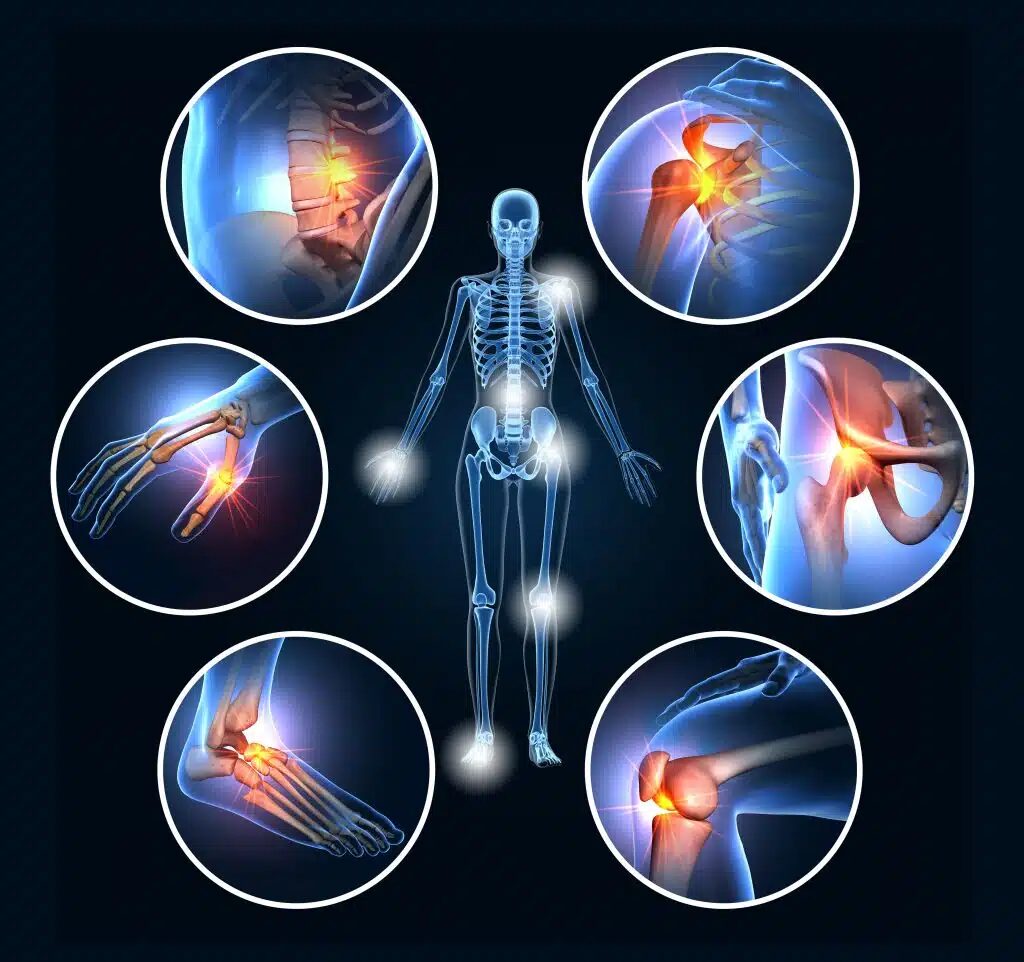
How To Support Your Own Body to Reduce Chronic Pain
Many people avoid exercise for fear it will worsen their pain, but science tells a different story. Carefully chosen, low-impact movement can actually reduce pain by improving circulation, reducing muscle tension, and strengthening the muscles that support painful joints. Here are some actionable Strategies:
- Walking: Gentle, consistent walking improves joint lubrication and reduces stiffness.
- Stationary cycling: Low-impact cardio strengthens legs and improves circulation without stressing joints.
- Physical therapy exercises: Targeted stretches and strengthening exercises improve stability and reduce stress on painful areas.
Tip: The goal isn’t to push through pain but to gradually restore mobility and resilience.
Using Nutrition to Address Chronic Pain
Small dietary changes can have a meaningful impact on your daily pain levels, energy, and overall well-being. What you eat can influence how your body feels and functions, supporting your comfort and mobility. Here are some targeted Nutrition Tips:
- Consider diets like the Mediterranean diet, which is associated with better overall health and joint support.
- Include Omega-3 fatty acids from sources like fish or flaxseeds to help support joint and nerve function.
- Eat antioxidant-rich fruits and vegetables, which support your body’s natural repair processes and overall cell health.

Important Recommendations:
Before making significant dietary changes, consult with a qualified nutritionist who can guide you safely and effectively. Be sure to disclose any existing medical conditions and undergo any necessary tests, as these factors can affect which foods or supplements are safe and beneficial for you. This personalized approach ensures that your diet supports your pain management goals without creating unintended complications.
The Critical Role of Sleep
Pain and sleep affect each other: pain can make it hard to sleep, and not sleeping well can make pain worse. Following your body’s natural sleep-wake rhythm (circadian rhythm) helps break this cycle and improves both your body and mood. Here are some tips for Better Sleep:
- Go to bed and wake up at the same time every day, even on weekends.
- Make your bedroom comfortable: dark, cool, and quiet.
- Avoid screens and caffeine before bedtime, so your body can relax.
Good sleep helps your body heal, feel stronger, and handle pain better.
When You May Need Medical Intervention
Lifestyle changes are a crucial first step in managing chronic pain, but they don’t always address the deeper causes; especially if your pain has lasted more than three months.
The Challenge: Persistent pain can signal structural or nerve-related problems that require careful evaluation. Ignoring it or relying only on temporary fixes can make the condition harder to treat over time.
The Path Forward: A thorough medical assessment can pinpoint the exact cause of your pain. This allows for targeted treatments that address the root problem, offering real relief instead of short-term comfort. Taking this step gives you the best chance to regain mobility, reduce discomfort, and improve your quality of life.
Advanced Treatments for Unresolved Pain
For those whose pain remains stubborn, specialized medical interventions can make a dramatic difference:
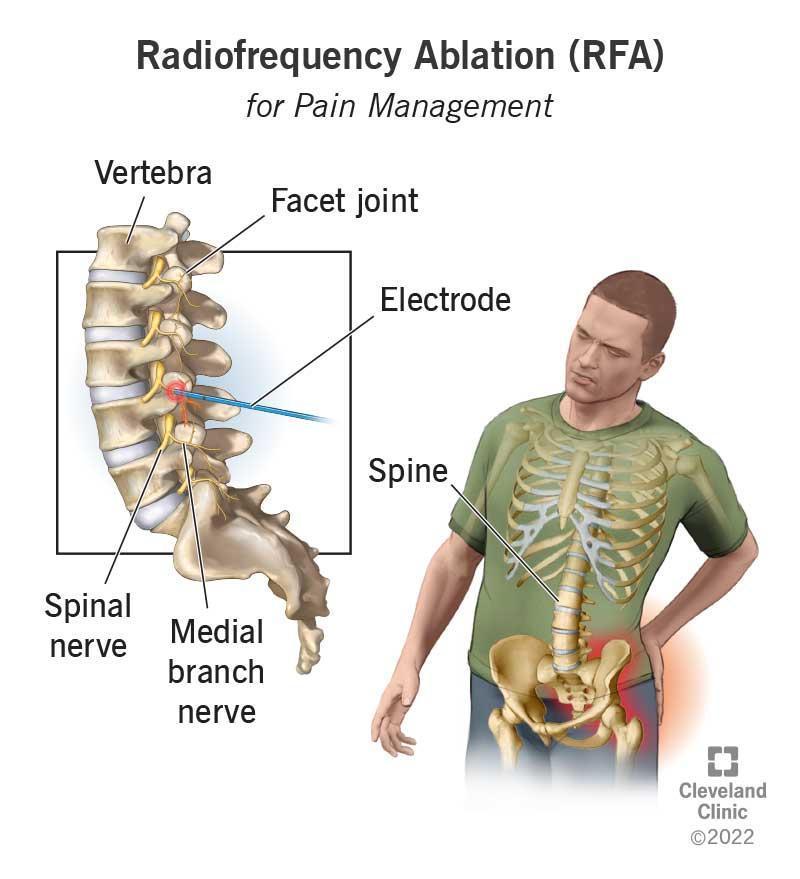
- Radiofrequency ablations (RFA) to “denervate” the facet joints:
- Simple meaning: This procedure uses heat (generated by radio waves) to essentially “turn off” the small nerves that send pain signals from your facet joints (the small joints in your spine).
- Why is it done? If pain is coming from these specific joints, numbing the nerves that carry the pain signal can provide long-lasting relief. “Denervate” just means to stop these nerves from working.
Source: Image Link
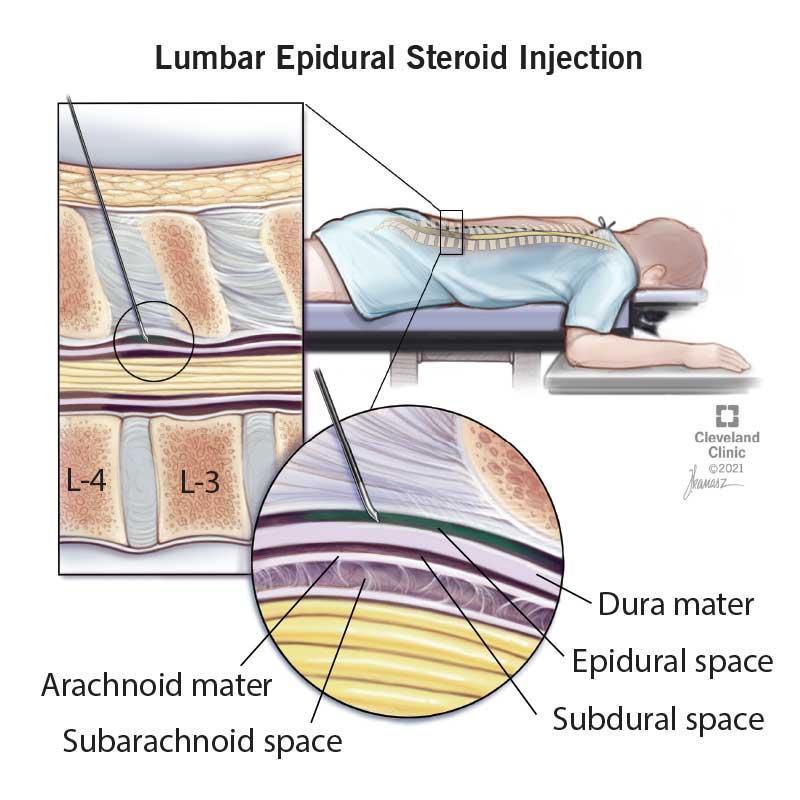
- Lumbar epidural steroid injections for sciatica pain:
- Simple meaning: This is an injection of steroid medicine into the “epidural space,” which is the area just outside the protective sac around your spinal cord in your lower back (“lumbar” region).
- Why is it done? “Sciatica” is pain radiating from the lower back to the leg as a nerve root is pinched in the spine causing pain, numbness, or weakness. The injection can provide pain relief.
Source: Image Link
- Spinal Cord Stimulation: Address complex neuropathic pain that has not responded to other treatments.
You can read more about the different interventional procedures for treating pain here: https://samerpainclinic.com/en/posts-en/interventional-procedures-for-treating-back-pain/
The Path to Lasting Pain Relief
Managing chronic pain isn’t about relying on a single treatment, it’s about combining your commitment to lifestyle changes with precise medical interventions for the most effective results. Taking action early, seeking professional evaluation, and following a personalized treatment plan can help restore mobility, reduce pain, and reclaim your quality of life.
These medical treatments are most effective when paired with healthy movement, balanced nutrition, and restorative sleep, creating a comprehensive approach that supports long-term relief and lasting improvement.
How Can We Help You In Relieving Your Chronic Pain
Non-surgical, image-guided pain relief procedures that:
-
- Precisely target the source of your pain
- Are minimally invasive (using needles, not scalpels)
- Provide fast relief with minimal downtime
- Are backed by diagnostics like MRI and thorough physical evaluation
-
- Are delivered by a specialized doctor-Dr. Samer-who has extensive experience in pain medicine. Check out his profile Dr. Samer Abdel-Aziz’s profile
🗓️ Book your first session here: Contact us
🗓️ Call us at +962790922204 or contact us via WhatsApp
🗓️Feel free to send your questions or concerns to our email here: info@samerpainclinic.com