Can Stress and Anxiety Make Your Pain Worse? The Mind-Body Connection
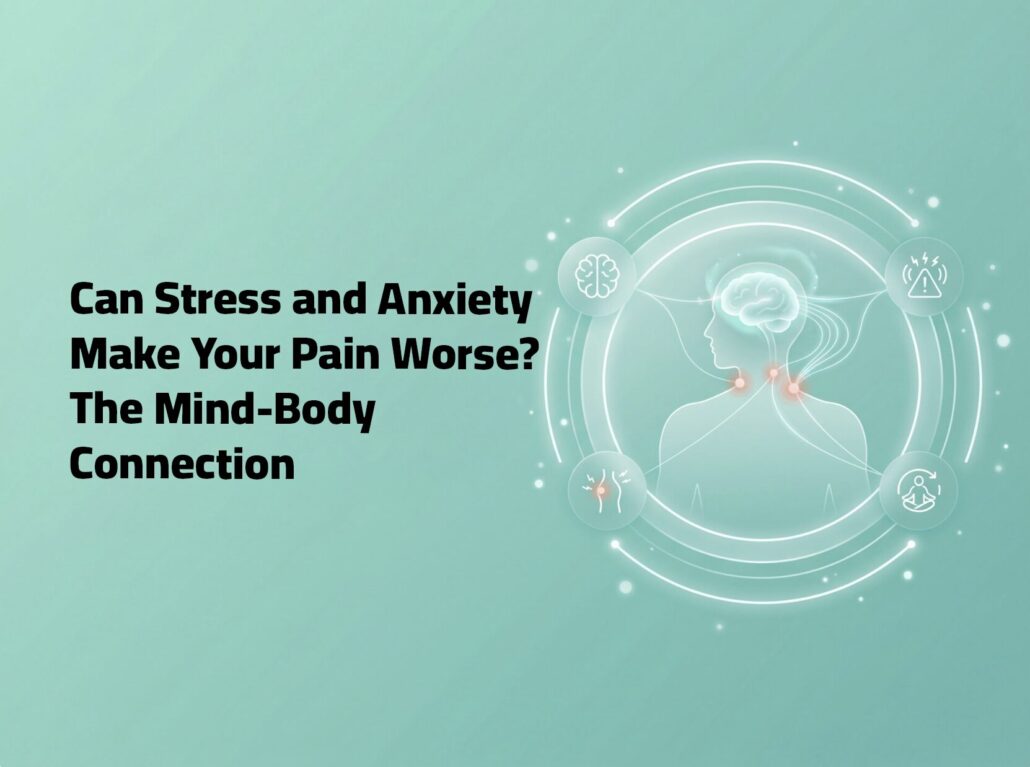
If you’ve ever noticed your pain flare up during a stressful week, you’re not imagining things. Studies show that stress and anxiety can have effects that reach far beyond the mental and into the physical. There is a powerful link between the mind and body, especially when it comes to chronic pain and mental distress.
It is not enough to know that stress can worsen conditions like back pain, migraines, or arthritis pain. A thorough understanding of the relationship between stress and chronic pain is essential to know how to better alleviate pain and even anticipate flare ups.
If you happen to suffer from chronic pain, it would take only a short read to learn more about how stress, anxiety, or even depression can affect your condition, and how you can deal with them.
How Stress Affects the Body
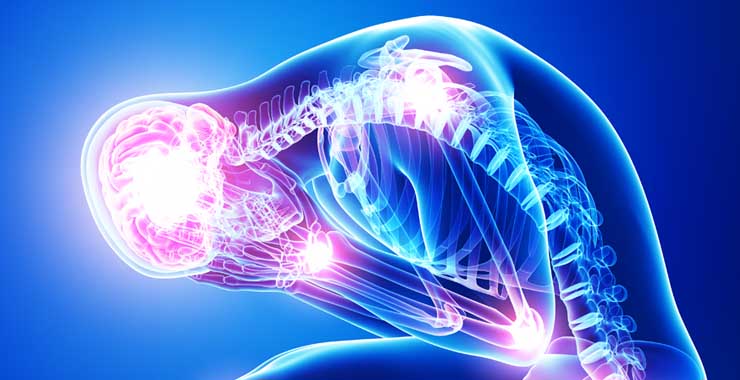
Figure (2): https://www.apa.org/topics/stress/body
The human body deals with stress by releasing stress hormones such as cortisol and adrenaline; as those hormones elevate awareness and readiness to respond to threats, which enters the body into what is known as “fight-or-flight” mode. However, when stress becomes chronic, stress hormones remain elevated. Over time, this can lead to:
- Constant muscle tightness (especially in the neck, shoulders, and back), leading to muscle soreness.
- Increased inflammation, which can worsen joint or nerve pain.
- Amplified pain signals within the nervous system, making sensations like pain feel stronger than they actually are (hyperalgesia).
Studies have consistently linked stress with deteriorating physical (and mental) health in general, but with people suffering from chronic pain specifically, stress and anxiety can worsen causes of pain, affect how people experience pain, and hinder recovery and relief.
How Pain Can Cause Anxiety
Pain and anxiety often feed off each other in a vicious circle when you are dealing with chronic pain. As explained earlier, stress and anxiety increase muscle tension and pain sensitivity, but what patients may also notice is that their chronic pain causes them anxiety and mental stress.
When you live with chronic pain, it’s always on your mind. You also start fearing that moving might exacerbate your pain, discouraging you from doing activities you want to do; thus, leading you to a more sedentary lifestyle and possible weight gain. Weight and inactivity in turn increase the strain on your muscles and joints, ultimately exacerbating your pain and starting that vicious cycle of pain and anxiety.
The Anxiety-Pain Connection
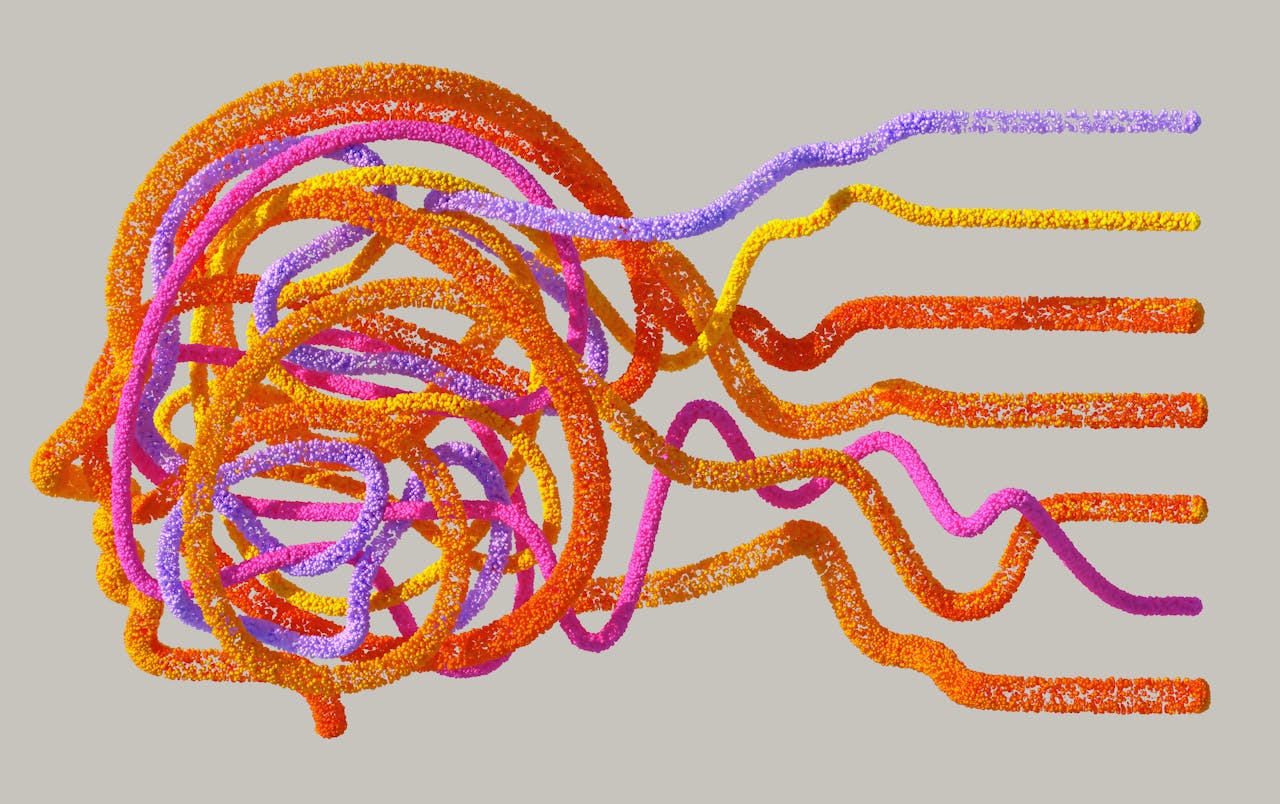
Chronic pain and chronic stress activate similar processes and responses in our bodies. Research revealed that both pain and stress activate your autonomic nervous system, which is the system that controls unconscious processes and automatic body reactions like the “fight-or-flight” response mentioned earlier.
Also, MRI scans show that pain and stress activate the same areas in our brains; particularly the amygdala (which processes fear and emotion), the hippocampus (responsible for memory and learning), and anterior cingulate cortex (which deals with emotional and cognitive processing).
The anxiety-pain connection goes deeper; a study in 2008 found that primary care patients who reported muscle pain, headaches, or stomach pain were approximately 2.5-10 times more likely to be diagnosed with panic disorders, anxiety, or depression. Similarly, patients diagnosed with anxiety or depression reported a higher degree of pain affecting their daily life, sleep, and enjoyment in life.
How to Break the Cycle
While stress and anxiety can worsen pain, the good news is that the reverse is also true. Managing mental and emotional health helps patients be more resilient against pain and function better in their daily lives. This can be done through psychological treatments like Cognitive Behavioral Therapy and Pain Reprocessing Therapy.
There are also some lifestyle changes you can do to manage your stress, and thus your pain, such as:
- Staying physically active with low-impact activities like walking or swimming.
- Applying relaxation techniques such as deep breathing or meditation.
- Finding distractions to focus on something other than the pain.
At specialized pain clinics, physicians can blend medical treatments (like radiofrequency ablations or steroid injections) with stress and pain management techniques. This method of pain management targets both the physical and psychological aspects of chronic pain.
When to Seek Help

If your chronic pain seems to worsen with stress, or if you are dealing with anxiety or depression and pain is interfering with your daily life, it might be time to see a pain specialist.
At Dr. Samer’s clinic, patients receive personalized care dealing with various kinds of physical pain. We provide a comprehensive evaluation that can help identify the underlying causes of your pain and create a plan that treats your body and mind together.
Book your consultation today and take the first step toward having a healthy mind in a healthy body.
🗓️ Book your first appointment here: https://samerpainclinic.com/contact-us/
🗓️ Call us at +962790922204 or contact us via WhatsApp: https://wa.me/962790922204
Feel free to email your questions or concerns to info@samerpainclinic.com
Sources:
https://www.mdpi.com/2077-0383/12/6/2245
https://pmc.ncbi.nlm.nih.gov/articles/PMC5546756/
https://www.frontiersin.org/journals/neuroscience/articles/10.3389/fnins.2013.00046/full
https://pubmed.ncbi.nlm.nih.gov/17932958/
https://www.mdpi.com/2227-9032/13/6/581
https://pmc.ncbi.nlm.nih.gov/articles/PMC8482298
https://www.stanfordchildrens.org/en/topic/default?id=the-stress-pain-connection-88-p11008

