Nutrition and Pain: Foods That Help (and Hurt)
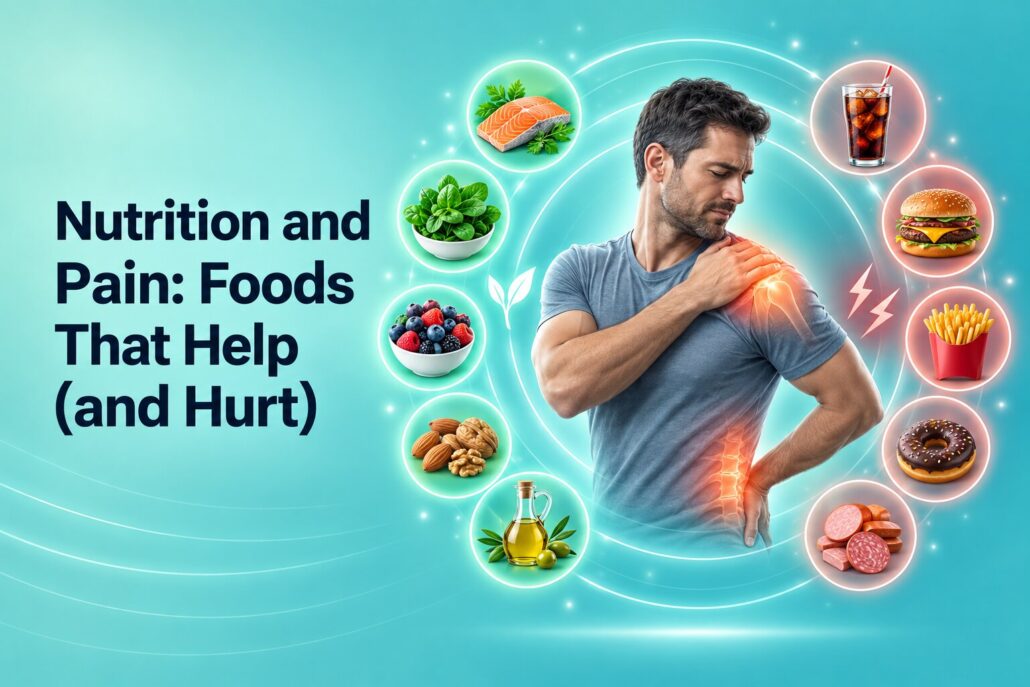
Many people living with chronic pain wonder whether changing their diet can make a difference. While there is no single food that can cure pain, researches suggest that some diets can help reduce pain. Also, there are some foods that can influence chronic pain levels.
Nutrition has a notable effect on the pain felt by people with chronic pain conditions such as arthritis, fibromyalgia, and other musculoskeletal disorders. So, if you’re interested in learning about nutrition and pain, this article goes into what the evidence says.
Can Diet Affect Chronic Pain?
The relationship between nutrition and chronic pain management is a bit complex, but here are some clear ways that diet affects chronic pain:
- Dietary intake can influence inflammation in the body.
- Nutrition can enhance the function of the nervous, immune, and endocrine systems, which are directly involved in the pain experience.
- Losing weight reduces the load on joints, and relieves joint pain.
- Diet and body weight impact the severity of other chronic diseases (like cardiovascular disease, diabetes, anxiety, and depression) which often occur concurrently with chronic pain and can affect it.
Several studies suggest that dietary behavior is associated with inflammation, physical function, and vitality, particularly in rheumatoid arthritis. It is important to remember that nutrition works best as part of a more comprehensive care plan rather than as a replacement for medical treatment.
Foods That Can Help Reduce Pain
Changing what you eat can alter your pain levels, whether through the quality of your food, your weight, or both. If you are looking to reduce your pain through your diet, you should consider following an overall anti-inflammatory diet rich in minimally processed foods.
Some unsaturated dietary fats, Omega-3 fatty acids in particular, have been proven to have a role in reducing inflammatory processes involved in some pain conditions. Omega-3 fats can make your nerves less sensitive to pain signals, and they can be found in fish, like salmon and sardines, and seeds, like flaxseed.
Alongside Omega-3 fats, nutritionists recommend incorporating reasonable amounts of the following to manage chronic pain:
- Fruits and vegetables, which are rich in natural antioxidants.
- High-fiber foods like whole-grain bread, as they are an important part of a healthy diet.
- Lean red meat, chicken breast, and fish.
- Legumes and tofu as a vegetarian source of protein.
- Skimmed dairy products.
Dietary patterns such as the Mediterranean diet are great at providing you with all of the nutrients mentioned above. That specific diet has been associated with lower levels of inflammation and pain, also, increase in physical function in people with rheumatoid arthritis.
Foods To Avoid
Although no food directly causes chronic pain, diets with highly processed foods may contribute to inflammation and overall health. Reducing your consumption of saturated fats, for example, protects your heart and steers you away from weight gain. As being overweight alone increases the risk of chronic low back pain.
If you want to protect yourself from further pain, try to limit:
- Sugary beverages.
- Highly processed snacks.
- Processed meats.
- Fried food.
- Refined carbohydrates.
Reducing these foods while increasing healthier options may support better overall health and help with long-term pain management. Of course, avoiding the foods mentioned above and sticking to the recommended foods will take a lot of self-discipline. So, consult a nutritionist on tips and tricks that help you stick to your diet.
Nutrition Is Only One Piece of the Puzzle
For many patients, nutrition for pain management works best when it is combined with other evidence-based treatments recommended by a clinician. Also, people with arthritis, migraines, chronic back pain, or nerve pain may have different nutritional needs depending on their medical history and overall health.
If you are on a diet to reduce your pain and want to level up and have a comprehensive pain treatment program, schedule an appointment with Dr. Samer Abdel-Aziz’s clinic. Together, we can develop a plan tailored to your needs and help you return to a more active and comfortable life.
🗓️ Book your first appointment here: https://samerpainclinic.com/contact-us/
🗓️ Call us at +962790922204 or contact us via WhatsApp: https://wa.me/962790922204
Feel free to email your questions or concerns to info@samerpainclinic.com
Sources:
https://pubmed.ncbi.nlm.nih.gov/30294938/
https://pubmed.ncbi.nlm.nih.gov/12594104/
https://www.iasp-pain.org/resources/fact-sheets/nutrition-and-chronic-pain/
https://pubmed.ncbi.nlm.nih.gov/32086871/
https://my.clevelandclinic.org/health/articles/16037-mediterranean-diet
https://aci.health.nsw.gov.au/chronic-pain/for-everyone/pain-lifestyle-and-nutrition
