Fibromyalgia: Understanding a Condition Many People Misdiagnose

Fibromyalgia is a chronic pain condition that has been hard to diagnose due to its symptoms being vague and generalized, making it hard for individuals and clinicians to accurately pinpoint a case of fibromyalgia.
Fibromyalgia is one of the most common chronic pain conditions around, as it affects approximately 2-8% of the world’s population. However, this number might be an underestimation because fibromyalgia is diagnosed by using different standards in various countries.
If you have experienced chronic widespread pain (as reported by 1 out of every 10 adults in the general population), fibromyalgia might be part of the problem. Understanding the nature of this condition, its symptoms, and its challenging diagnosis can help you take the right steps toward management and relief.
What Is Fibromyalgia?
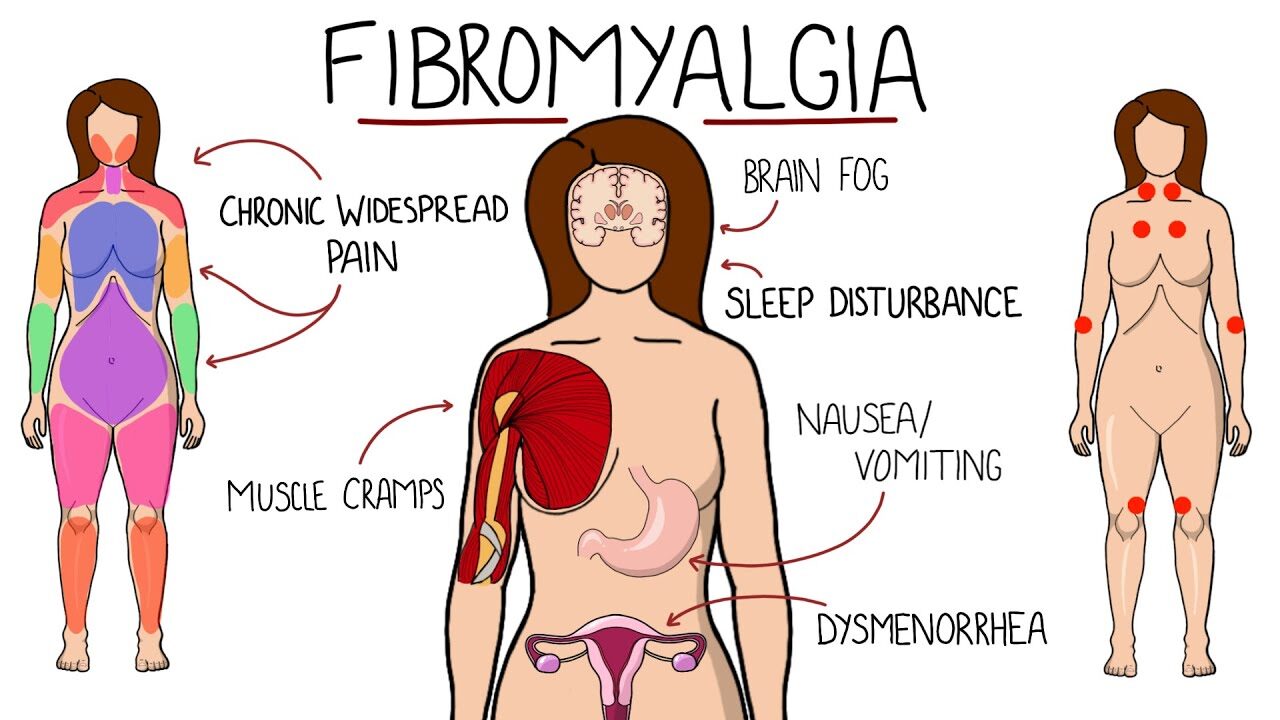
Fibromyalgia is a chronic disabling condition characterized by general pain throughout the body, lasting for more than 3 months. It may or may not be associated with muscle or joint stiffness, and it is normally accompanied by other symptoms such as:
- Extreme fatigue that doesn’t improve with rest.
- Sleep disturbances and lack of refreshing sleep.
- Cognitive symptoms like brain fog (trouble concentrating or remembering).
- Mood disturbances, anxiety, or depression.
- Muscle stiffness and tenderness, and sometimes numbness/tingling.
This wide array of fibromyalgia symptoms is why many people suffering from it report that their quality of life is significantly affected by it, and that is why its management focuses on improving sleep and relieving pain.
The exact cause of fibromyalgia is not fully understood, but it appears to be linked to the brain and nervous system becoming overly sensitive to pain signals (central sensitization) and influenced by stress, sleep problems, genetics, and environmental factors, rather than having a single identifiable cause.
Why Fibromyalgia Is Often Misdiagnosed
One of the biggest challenges with fibromyalgia is making the diagnosis. Unlike many disorders where a blood test or imaging scan can confirm the condition, fibromyalgia lacks definitive biomarkers and laboratory tests, making it a diagnosis of exclusion.
Fibromyalgia’s symptoms overlap with many other disorders and diseases, so it is sometimes mistaken for other conditions such as rheumatoid arthritis, hypothyroidism, anemia, or mental health disorders. Doctors may spend time ruling those out first, which can delay diagnosis and appropriate treatment as well.
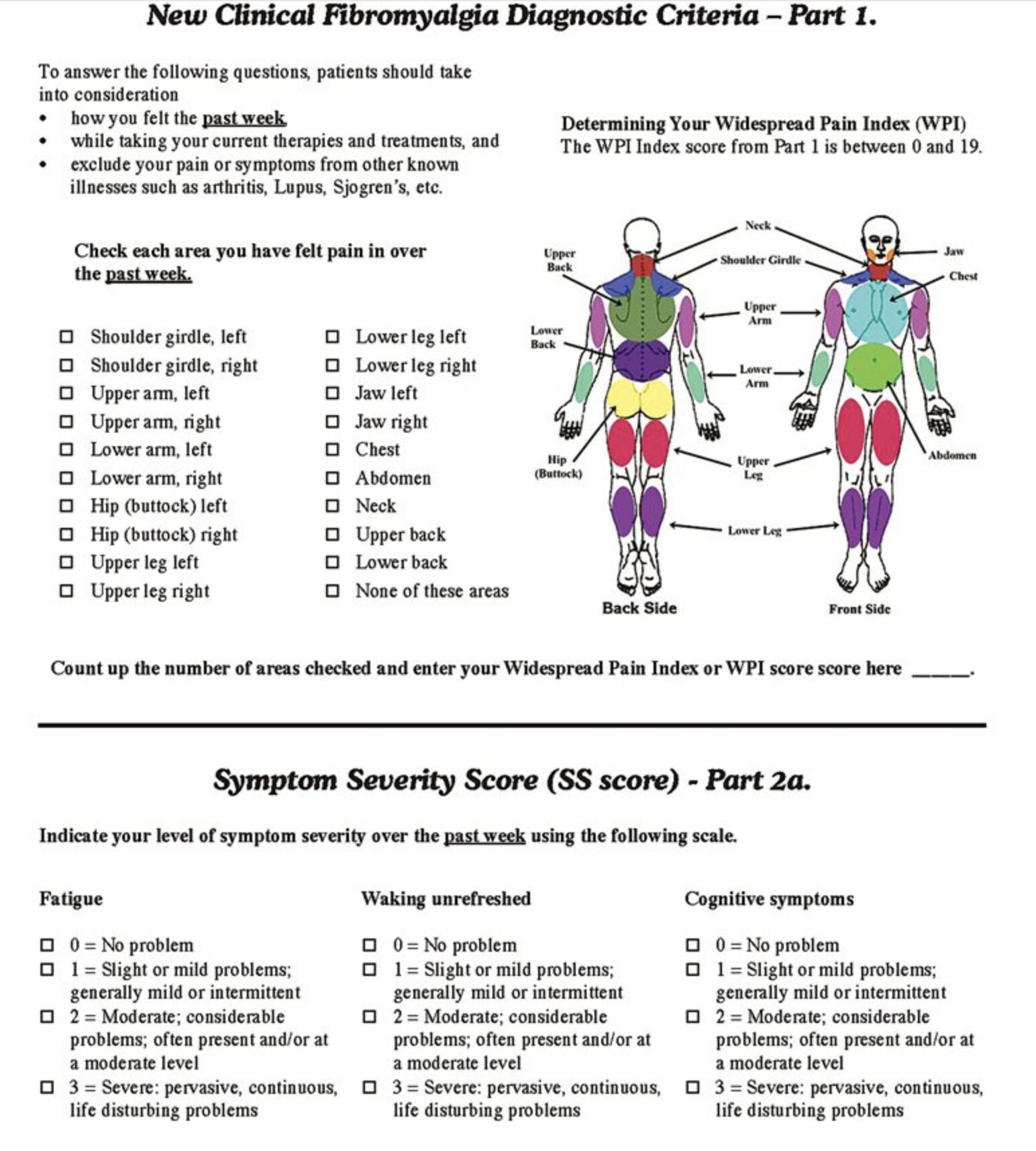
Fibromyalgia is diagnosed using the criteria as outlined in the image below, after excluding other possible caused of pain. The criteria include widespread pain accompanied by symptoms like fatigue, waking up un refreshed and cognitive symptoms like brain fog (trouble concentrating or remembering).
Living With Fibromyalgia

Fibromyalgia does not threaten your life, but it seriously impacts your daily life. As a questionnaire survey published in 2010 found that out of 800 patients with fibromyalgia, 22% were unable to work and 25% were unable to work all the time because of their fibromyalgia.
Evidence supports following a multidisciplinary and patient-centered approach when managing fibromyalgia. That is because treatments effective for one patient may be ineffective or even counterproductive for another, due to differences in pain thresholds and accompanying symptoms.
Effective management strategies for fibromyalgia are well documented, and they include:
- Low-dose antidepressants and medications that improve sleep and reduce pain
- Physical activity and structured exercise therapy (aerobic training is highly recommended)
- Cognitive behavioral therapy and stress management
- Mindfulness therapy and Pain reprocessing therapy.
Working with a rheumatologist or pain specialist experienced in chronic pain disorders can improve symptom control and help you develop a highly-effective personalized treatment plan.
How to Get a Fibromyalgia Diagnosis and Treatment in Jordan
If you are experiencing symptoms that match what you just read about fibromyalgia, it is recommended to seek evaluation from a clinician familiar with fibromyalgia to avoid misdiagnosis. You can book an appointment in a specialist clinic, like Dr. Samer Abdel-Aziz’s pain clinic.
We will take the time to listen, assess your symptoms comprehensively, and work with you to develop a tailored plan that addresses your fibromyalgia holistically and compassionately. Fibromyalgia is a complex condition, but we will make sure your chronic pain does not get misunderstood and get treated properly.
- 🗓️ Book your first appointment here: Contact us
- 🗓️ Call us at +962790922204 or contact us via WhatsApp
Feel free to email your questions or concerns to info@samerpainclinic.com
Sources:
https://journals.lww.com/tmj/fulltext/2023/17030/chronic_pain_syndrome_fibromyalgia.2.aspx
https://pmc.ncbi.nlm.nih.gov/articles/PMC4711387
https://www.aafp.org/pubs/afp/issues/2023/0200/fibromyalgia.html
https://link.springer.com/article/10.1186/1472-6963-10-102

