Pain After Sports Injuries: What’s Normal and What’s Not?
Sports are a part of many people’s lives; whether they’re doing sports recreationally, competitively, or just at the gym. The benefits of physical activity and participating in sports are known to all, but a lesser-discussed aspect of them are the risks: namely sports injuries.
Sports injuries can range from mild sprains, joint pain, and muscle strains to serious ligament tears, dislocations, and fractures. Pain caused by sports injuries sometimes fades away on its own, but at other times that pain might linger enough to need a doctor’s consultation.
Pain after sports injuries is extremely common, but not all pain is created equal. Knowing what’s normal and when to seek help is critical for sports injury pain recovery and optimal athlete pain management. So, keep reading to know when you should visit a specialist following an injury.
Immediate Pain and Proper Treatment
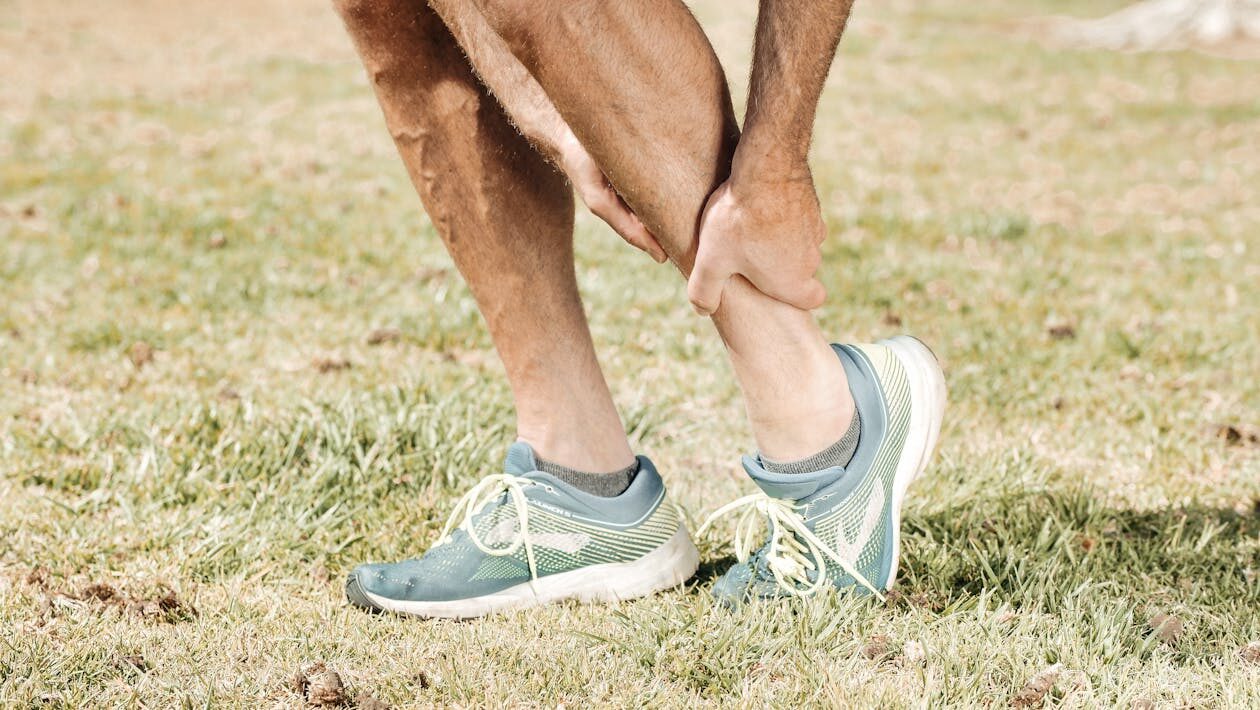
After an injury, it’s normal to experience sharp pain, swelling, and limited movement. This stage of initial pain is called acute pain and it is usually caused by tissue damage or inflammation. If the injured part starts reddening, heating, and swelling, then you’re most likely dealing with inflammatory pain which is part of your body’s normal protective response.
The first couple of days after an acute injury is when you might be advised to rest the injured part, put ice and pressure on it, wrap it in bandages, or keep it elevated (in what is called the RICE protocol). However, recent evidence suggests that early controlled movement and exercise while taking painkillers often promotes better recovery than prolonged rest alone.
Whether your injury was caused by overuse, a direct impact, or fall, its pain gradually decreases over days typically up to a few weeks as tissues heal and normal activity resumes. However, acute pain is not something you can ignore if it persists as it may turn into chronic pain.
When Pain Persists: What’s Not Normal
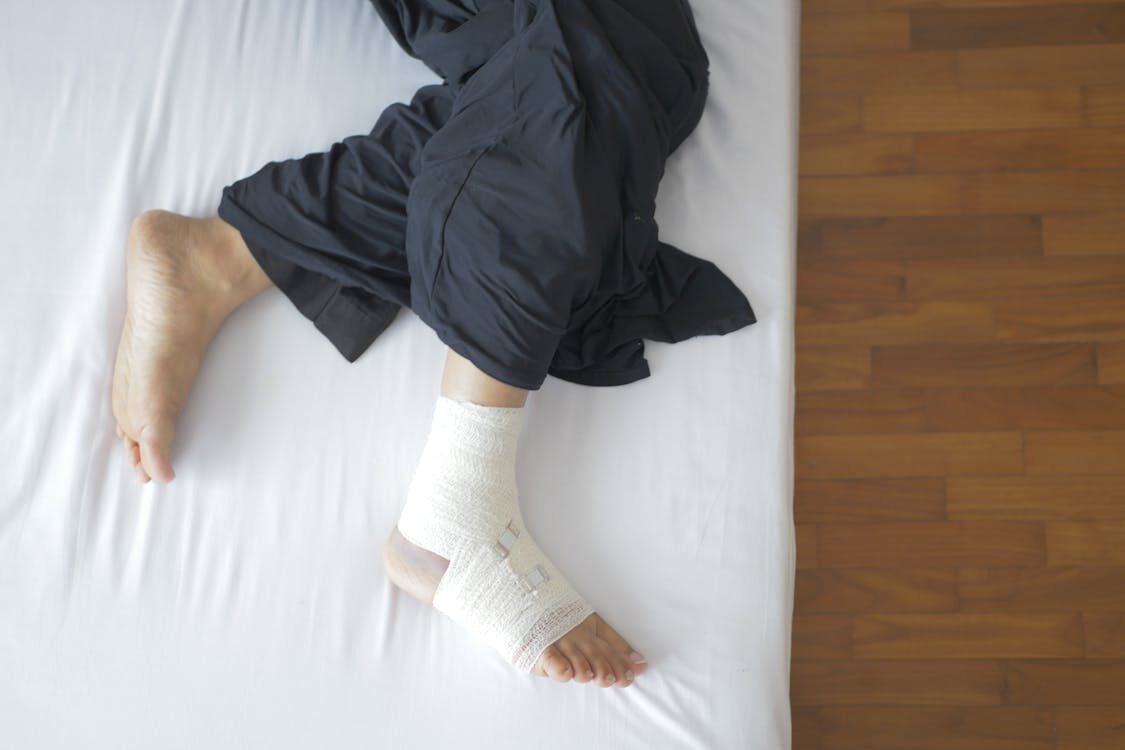
While early discomfort after an injury is expected, pain that persists beyond the typical recovery window (usually several weeks) or that increases over time is not normal. This may indicate poor healing, structural instability, movement patterns that exacerbate the issue, or secondary issues that require professional evaluation.
Conditions such as overuse tendon injury, stress fractures, or nerve damage are associated with persistent pain, may not follow the usual decreasing pain trajectory, and often need specialized care.
If your pain does not improve with rest, medicine, or gentle activity or if it continues to interfere with your daily activities or sport participation, this is a strong sign that you need a pain evaluation by a pain specialist. Continuous pain that wakes you at night, causes weakness, numbness, or inability to bear weight should prompt urgent assessment.
The Importance of Seeking Professional Help
Getting treatment as early as possible makes a meaningful difference for even the mildest sports injuries. For example, a 2019 study found that participants who saw a healthcare professional after their first ankle sprain, compared to those who didn’t, had:
- Better daily function.
- Better sports performance.
- Fewer repeat sprains.
- Greater ankle stability.
Modern approaches in sports medicine emphasize active rehabilitation and personalized treatment plans to progressively restore neuromuscular control and movement patterns rather than just letting the injury rest. This usually includes a combination of manual therapy, therapeutic exercises, balance training, and sport-specific drills to ensure you return stronger and with reduced risk of reinjury.
Evidence suggests that manual therapy can be used with therapeutic exercise to reduce pain, increase range of motion, and improve functional ability. Physical therapy also often leads to better long-term outcomes compared to relying solely on pain medication. However, it is worth it to look at more advanced pain management options that can support rehabilitation efforts.
Advanced Pain Relief for Sports Injuries
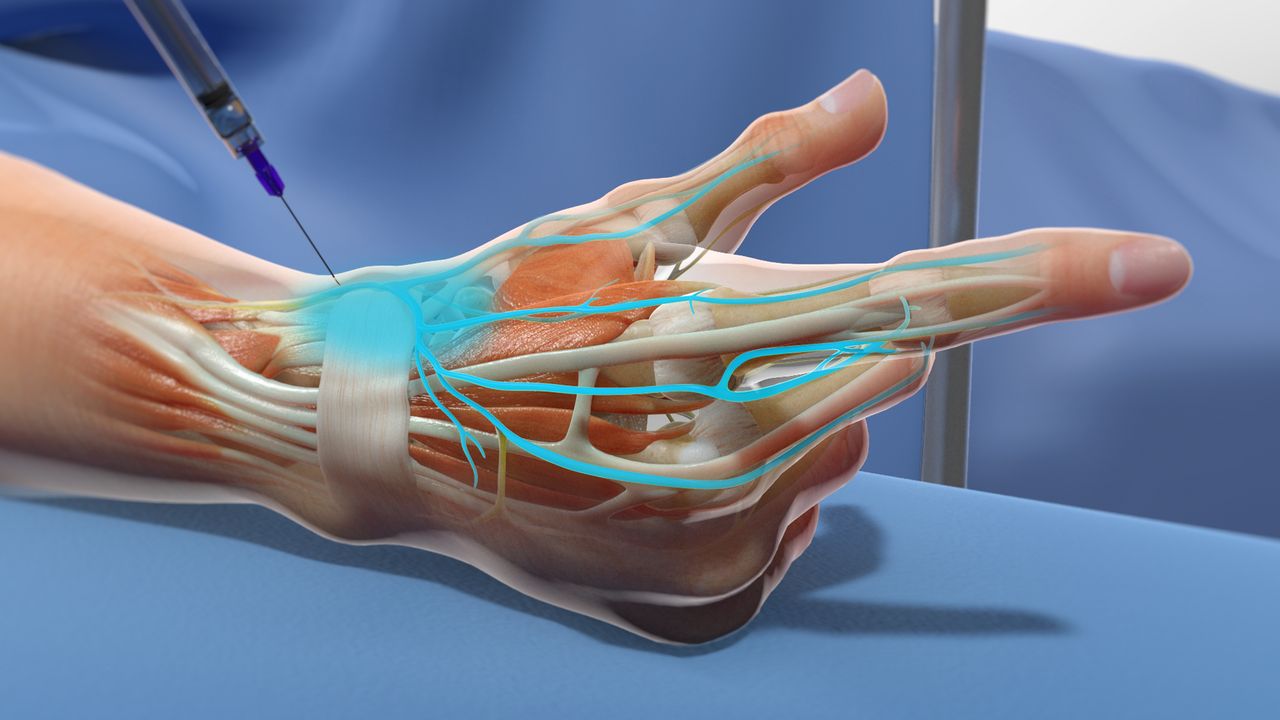
No matter the type or severity of your sports injury, it is ideal to consult a pain specialist to help target both the pain and the root cause. The following pain treatments can help you restore function to the affected area and retain your active lifestyle:
- Orthotic bracing or supportive taping, which stabilizes and protects injured areas, reducing strain and promoting proper healing.
- Epidural steroid injections, which reduce inflammation and provide significant relief for nerve-related pain.
- Cervical and lumbar facet joint injections, which are a minimally invasive procedure that targets inflammation and pain in the facet joints of the spine, improving mobility, and reducing discomfort.
- Nerve blocks, which use anesthetic or anti-inflammatory medication to temporarily block pain signals from reaching the brain, effectively reducing nerve-related discomfort.
Where to Seek Specialist Care
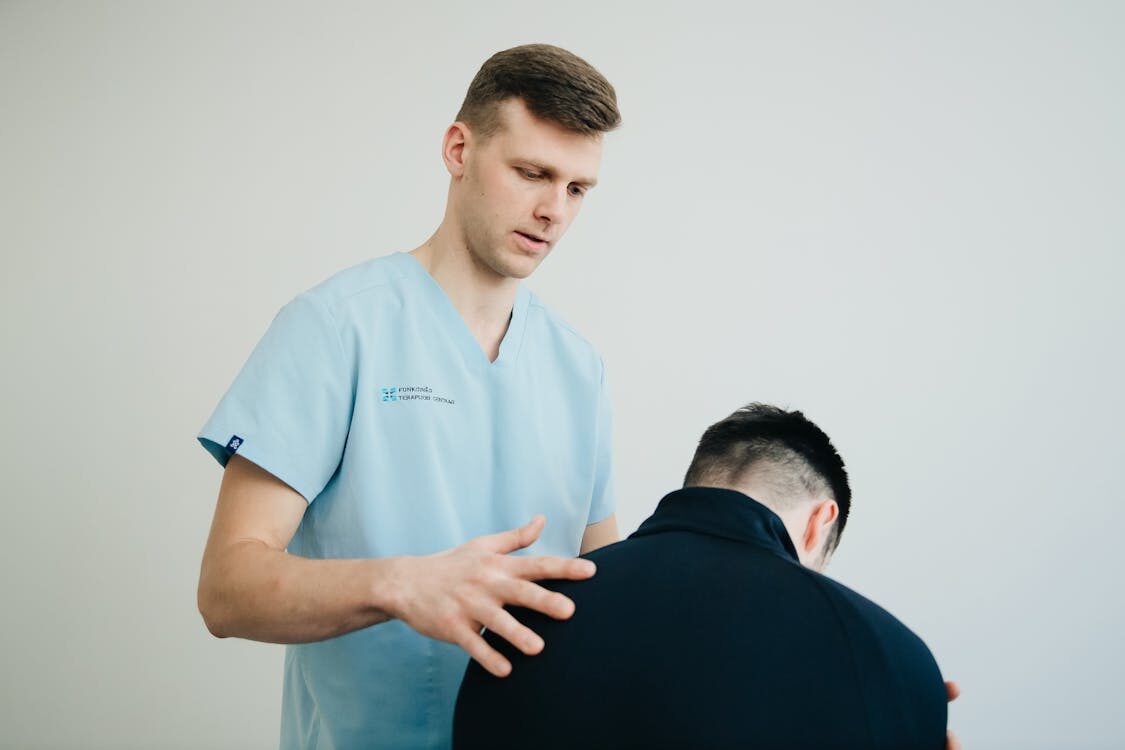
Suffering from pain after a sports injury is often normal in the early stages, but persistent or worsening symptoms are not. In that case, it’s important to seek evaluation from a sports medicine expert or pain specialist.
At Dr. Samer Abdel-Aziz’s pain clinic, we offer detailed sports injury assessments as well as multidisciplinary athlete pain management options. Book an appointment today to get personalized care from pain experts in Amman and get back to the sport you love with confidence and strength.
🗓️ Book your first appointment here: Contact us
🗓️ Call us at +962790922204 or contact us via WhatsApp
Feel free to email your questions or concerns to info@samerpainclinic.com
Sources:
https://www.iasp-pain.org/resources/topics/acute-pain/
https://www.physio-pedia.com/The_MEAT_Protocol_for_Sports_Injury_Management
https://www.sciencedirect.com/science/chapter/handbook/abs/pii/B9780444639547000392
https://pubmed.ncbi.nlm.nih.gov/18812414/
https://pubmed.ncbi.nlm.nih.gov/28599045/
https://pmc.ncbi.nlm.nih.gov/articles/PMC6602386/
https://pmc.ncbi.nlm.nih.gov/articles/PMC5609374
https://www.sportscienceresearch.com/IJSEHR_202591_04.pdf
https://orthopedicreviews.openmedicalpublishing.org/article/143577

