Minimally Invasive Procedures for Pain Relief
Relief has long been the goal for people with chronic pain, and it can be easy to achieve momentarily, but the hard part is making relief last. Many patients worry that surgery may be their only option to feel long-term pain relief, but that is not the case fortunately.
Advances in modern pain medicine have created several non-surgical pain procedures that may help reduce pain, improve mobility, and support long-term recovery with shorter recovery times than traditional surgery.
If you are exploring long-term pain relief options or searching for minimally invasive pain treatments in Amman, understanding your options can help you make informed decisions about the care you are seeking.
What is Meant by Minimally Invasive Procedures?
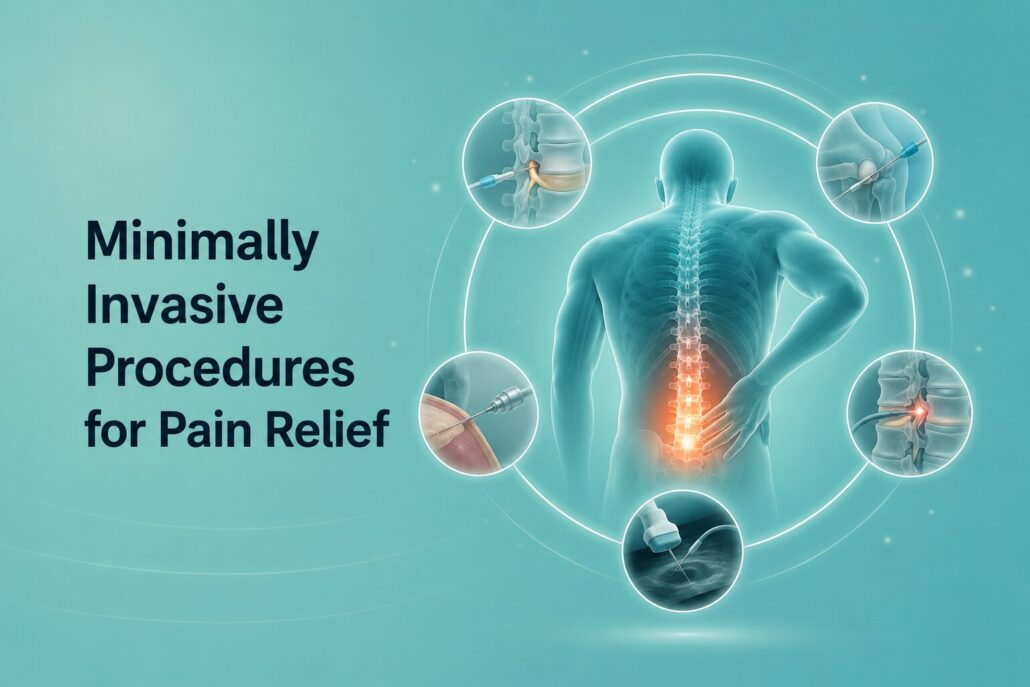
Minimally invasive procedures or interventional pain procedures are treatments performed using small needles under imaging technology, or specialized devices to lessen pain without large surgical incisions.
These procedures are considered safer than surgical treatments; they are often performed on an outpatient basis while helping patients return to normal activities more quickly. Common minimally invasive treatments include:
- Radiofrequency or thermal ablation
- Epidural or joint steroid injections
- Spinal cord stimulation
- Nerve blocks, etc.
These approaches are typically considered when conservative treatments such as physical therapy and medications have not provided enough relief. Also, interventional procedures are usually tried before resorting to surgical treatments.
How Do Minimally Invasive Pain Treatments Provide Relief?
Minimally invasive pain treatments target the underlying mechanisms that generate pain and disrupts them. These interventional treatments mostly depend on live X-ray or ultrasound imaging for guidance, which helps pain specialists target pain sources with exceptional accuracy.
Each treatment provides long-term relief using a different approach. Ablation heats up the pain-transmitting nerve and stops pain signals from travelling through it, while steroid injections decrease inflammation in tissues around affected nerves/joints. On the other hand, nerve blocks inject local anesthetic around a nerve or group of nerves to relieve pain.
Common Interventional Treatments for Pain
Radiofrequency or Thermal Ablation
One of the most commonly used non-surgical pain procedures is radiofrequency or thermal ablation. During this procedure, controlled heat is generated through radio waves and used to damage the targeted nerves enough to interrupt pain signals transferring through them.
Radiofrequency ablation is particularly helpful in reducing pain involved in spinal arthritis or facet joint pain on the long term, lasting in some cases 12 months or more. Because the procedure targets specific nerves without major surgery, recovery is usually faster than traditional surgical approaches and it could be repeated if needed.
Epidural and Joint Steroid Injections
Epidural steroid injections are common nonsurgical treatments for lumbar disc herniation and sciatica. They are administered by delivering medication in the lumbar epidural space in the lower spine that reduces pain. For some patients, injections can help improve mobility enough to participate more effectively in physical therapy and rehabilitation programs.
Joint injections are frequently used for osteoarthritis and arthritis-related joint discomfort. These injections aim to reduce inflammation and pressure around affected joints or nerves.
Spinal Cord Stimulation
For patients with severe chronic pain that has not responded to other therapies, spinal cord stimulation may sometimes be considered. This technique uses implanted electrical devices to modify pain signaling pathways in the nervous system and reduce the sensation of pain.
Spinal cord stimulation has shown promising long-term outcomes for selected chronic pain conditions, particularly in carefully screened patients with failed back surgical syndrome and chronic nerve pain. However, thorough evaluation stays crucial, as benefits may vary depending on the condition being treated.
Nerve Blocks
A nerve block is a specific procedure which requires injecting medication (a local anesthetic typically) directly around specific nerves responsible for transmitting pain signals. They are most commonly used to provide short-to-medium pain relief or to pinpoint the source of pain, but they can also be administered repeatedly to treat pain on the longer term.
Therapeutic nerve blocks may be used for a variety of conditions, including sciatica, certain headache disorders, and nerve-related pain syndromes. They can also play an important role in the management of both acute and chronic pain when incorporated into a comprehensive treatment plan.
Finding the Right Long-Term Pain Relief Plan
Pain medicine emphasizes improving daily physical function and overall quality of life alongside pain reduction. That is why trusted pain clinics do not provide non-surgical pain procedures alone, but support them with rehabilitation, movement therapy, and long-term pain management strategies.
At Dr. Samer Abdel-Aziz’s pain clinic, we offer meaningful relief to many patients in Amman through evidence-based minimally invasive pain treatments. Effective pain treatment often requires a personalized approach, and that is exactly our approach. Book an appointment with our team today to explore safe and effective long-term pain relief options tailored to your needs.
- 🗓️ Book your first appointment here: Contact us
- 🗓️ Call us at +962790922204 or contact us via WhatsApp
Feel free to email your questions or concerns to info@samerpainclinic.com
Sources:
- https://pmc.ncbi.nlm.nih.gov/articles/PMC10318327/
- https://pubmed.ncbi.nlm.nih.gov/37104694/
- https://pmc.ncbi.nlm.nih.gov/articles/PMC7362874/
- https://my.clevelandclinic.org/health/treatments/17411-radiofrequency-ablation
- https://pmc.ncbi.nlm.nih.gov/articles/PMC4419020
- https://pubmed.ncbi.nlm.nih.gov/25765043/

