How Technology Is Transforming Pain Treatment: Modern Tools & Innovations
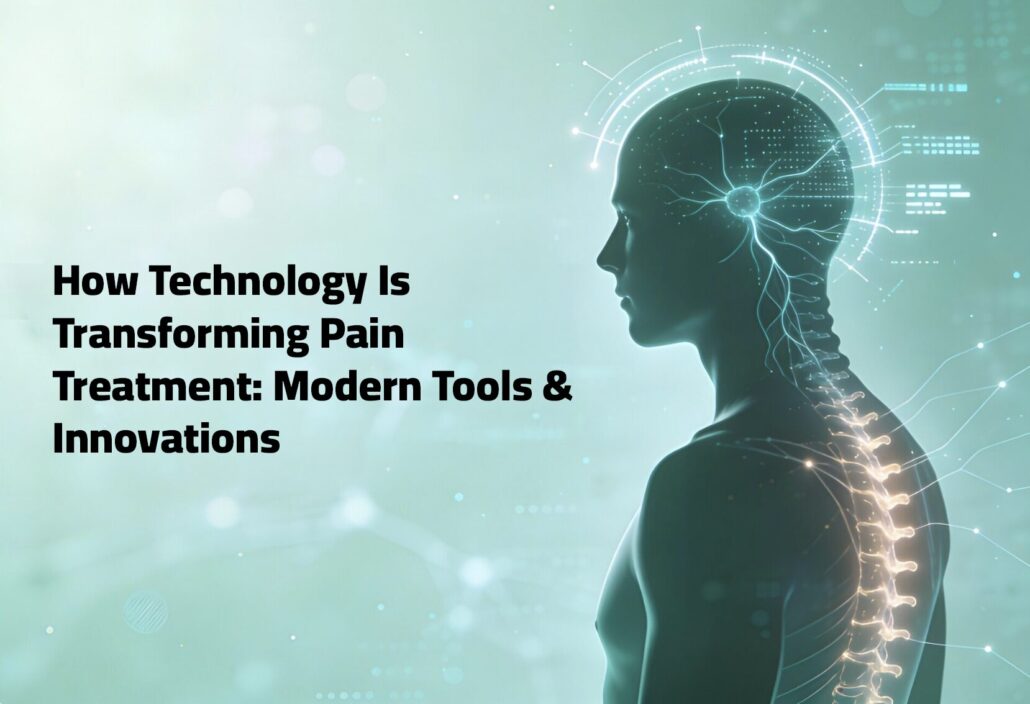
We live in an era of exponential advancement with new medical discoveries, treatments, and remedies being revealed regularly. Much of this can be attributed to the rapid development of medical technology and the emergence of artificial intelligence (AI) and machine learning, all of which are also changing the way pain is diagnosed, monitored, and treated.
Pain treatment today looks very different from what it did even a decade ago. Thus, it is incredibly important to stay updated with recent advancement in pain treatments, as they might hold better and more convenient answers to finding relief. In this article, we explore how advanced technology and digital tools are transforming pain treatment and management.
More Precise Pain Diagnosis

The journey towards pain relief often starts by a professional diagnosis; however, pain diagnosis has always been challenging due to pain being subjective, patients experiencing and expressing pain in many different ways, and the hard to pinpoint biopsychosocial factors affecting pain.
Recently, advances in diagnostic technology are helping clinicians move beyond subjective pain reporting toward objective, data-driven assessment.
Recent research shows that AI algorithms can analyze complex clinical data (such as brain activity, heart rate, and muscle signals) to more accurately classify pain intensity. Researchers have also reviewed how machine learning analysis of the brain’s electrical impulses can decode neural patterns associated with pain. This has potential for instant and non-invasive pain monitoring in clinics.
These emerging tools promise to help specialists understand their patient’s pain more than relying solely on patient descriptions.
AI-Assisted Neuromodulation
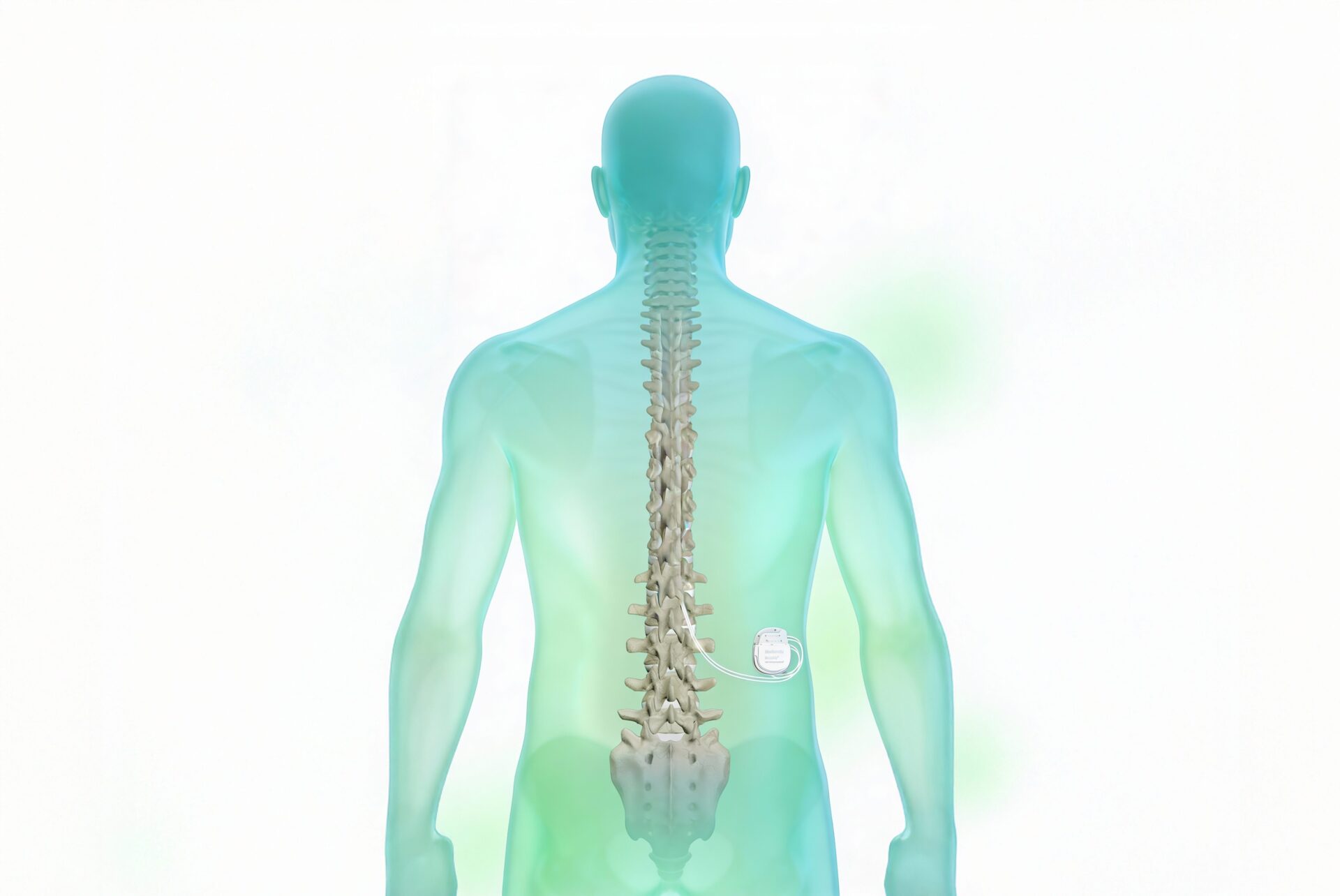
One of the most significant innovations in modern pain medicine is neuromodulation, which is a treatment that focuses on altering nerve activity through stimuli, such as electrical stimulation or chemical agents, to specific neurological sites in the body. Neuromodulation has been commonly used since the 1980s, but it has seen many advancements these last years, particularly Spinal Cord Stimulation (SCS).
SCS uses a small implanted device to deliver gentle electrical impulses to the spinal cord, thus disrupting pain signals before they reach the brain. More recently, researchers highlighted how adaptive and AI-assisted SCS systems can automatically adjust stimulation based on a patient’s movements or pain patterns, improving comfort and outcomes.
Digital Pain Management Tools

Technology is also transforming pain care outside the clinic through digital pain management tools like mobile health apps, web-based interventions, and telehealth platforms (that provide care through calls and messaging).
These digital tools have become the primary technologies used by nurses to provide psychosocial interventions for chronic pain management, and they have become an essential part of monitoring and engaging with patients in real-time.
A growing body of research shows that these tools can have real benefits, as they have been associated with:
- Short- and medium-term chronic pain relief.
- Reductions in anxiety, distress, and depression symptoms.
- Better tracking of pain levels and triggers.
Some mobile applications and programs can also auto-remind patients to take medications, provide educational resources, and help patients monitor their sleep, physical activity, and medication use. Not to mention the ability to use wearable electronic devices (such as activity trackers and biosensors) to assess pain intensity. This, in turn, helps clinicians make more informed treatment decisions.
Minimally Invasive Procedures
Innovations continue to enable modern pain clinic solutions to focus on precision and long-term relief rather than simply masking symptoms with medication. As modern pain clinics can now offer minimally invasive, technology-driven procedures that reduce recovery time and risk. Examples include:
- Radiofrequency ablation for joint and spine pain.
- Ultrasound-guided steroid joint injections.
- Targeted nerve blocks for headache and facial pain.
Clinical reviews consistently show that these state-of-the-art interventions can provide meaningful pain relief with fewer side effects than long-term medication use.
Personalized Pain Treatment is the Future
What unites all these innovations is a shift toward personalized, data-driven pain care. Instead of one-size-fits-all solutions, modern pain clinic solutions combine technology, clinical expertise, and patient involvement to create tailored treatment plans.
However, it is crucial to mention the hazards of going after innovative treatments that are not backed by research and proper tests. There are also ethical considerations that go into using technology such as AI related to patient privacy, biases, and the lack of reliability.
If pain is limiting your daily life, advanced technology may offer options you haven’t tried yet. At Dr. Samer Abdel-Aziz’s pain clinic, we combine advanced pain treatment technology, evidence-based medicine, and compassionate care to help patients regain control of their lives.
Book an appointment today to learn how modern pain treatment innovations can work for you.
🗓️ Book your first appointment here: https://samerpainclinic.com/contact-us/
🗓️ Call us at +962790922204 or contact us via WhatsApp: https://wa.me/962790922204
Feel free to email your questions or concerns to info@samerpainclinic.com
Sources:
https://pmc.ncbi.nlm.nih.gov/articles/PMC11432921
https://www.mdpi.com/2075-4418/15/3/300
https://www.neuromodulation.com/neuromodulation-defined
https://pubmed.ncbi.nlm.nih.gov/40394275/
https://pubmed.ncbi.nlm.nih.gov/39791599/
https://www.sciencedirect.com/science/article/pii/S2352250X24001891
https://pubmed.ncbi.nlm.nih.gov/34080306/