When Should You See a Pain Specialist? Red Flags You Shouldn’t Ignore

A phrase that we all heard before is: “Don’t worry, just push through the pain and it will fade away soon.” This advice is very common, yet it can be dangerous for some. While it is true that occasional aches can improve with rest or simple treatment, certain warning signs suggest it’s time for a proper pain evaluation by a pain specialist.
It is crucial to know when to seek expert care; that’s why it is better to understand the red flags in this article that indicate when there’s a need for professional help with your pain. Remember always; early diagnosis can prevent pain from becoming chronic, disabling, or harder to treat.
Chronic Pain Red Flags

As many other conditions, chronic pain has signs you need to keep an eye out for. If you are feeling physical pain of any kind, read the red flags below to evaluate your pain and know if you need to see a pain specialist:
1. Persistent or Increasing Pain
A key sign that you need to see a pain doctor is when your pain doesn’t seem to budge. Regular discomfort usually fades with time, but chronic pain lingers for 3 months or longer. Studies show that untreated chronic pain can increase your sensitivity for pain over time.
This kind of nervous system sensitivity plays a role in many chronic conditions like fibromyalgia, osteoarthritis, muscle pain, headaches, and post-surgery pain. If your pain is intensifying and disrupting your sleep or daily life despite rest and medication, then you might be in need of targeted treatment at a pain clinic.
2. Tingling or Burning Pain

Chronic pain can manifest as burning, tingling, or hypersensitivity to touch or cold. These symptoms often suggest nerve-related pain (neuropathic pain) resulting from conditions like sciatica, but that’s not the only form of neuropathic pain.
Compression, inflammation, or injury to a spinal nerve root (commonly known as having a pinched nerve) leads to shooting pain, weakness, numbness, or tingling in one or several body parts along the path the nerve spreads through the body.
If your pain matches the common descriptions of neuropathic pain, and it responds poorly to standard painkillers, then consider seeking personal care from a professional.
3. Pain After Surgery That Never Fully Resolved
Surgery does not always mean the end of pain. Pain persists in 10-50% of individuals after common operations such as groin hernia repair, breast and chest surgery, and leg amputation, with chronic pain being severe in about 2-10% of these individuals.
Patients may continue to feel pain long after surgery because their pain before surgery changed structures in their nervous system, making them more sensitive to pain. Post-surgical chronic pain affects many patients’ lives, and it often requires a pain specialist’s input rather than repeat surgery.
4. Increasing Dependence on Painkillers
Taking pain medication when pain strikes is a common response, but relying on them heavily for long can be a warning sign. As the body can build up a tolerance over time, requiring higher doses of medication to get the same effect.
If you find yourself needing higher doses or multiple pain medications to function, a pain specialist can offer safer, evidence-based alternatives.
Signs to Act Faster Against Chronic Pain
When it comes to chronic pain and physical pain in general, early intervention can facilitate treatment greatly and enable getting fewer invasive procedures later on. You should consider booking an appointment with a pain specialist as soon as possible if your pain:
- Limits your movement, work, or self-care.
- Affects your mood, sleep, or concentration.
- Has no clear diagnosis.
- Persists despite conservative treatments like medication and rest.
Why Seeing a Pain Specialist Matters
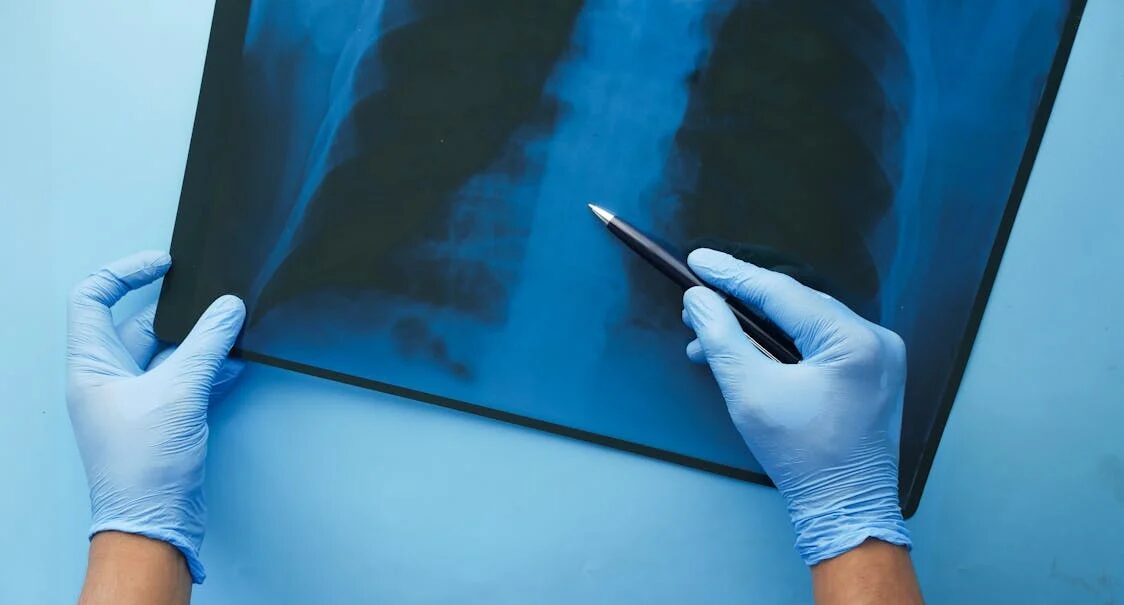
Pain specialists are trained to diagnose and manage complex pain conditions affecting the head, back, joints, muscles, and more. Their early diagnosis can help in:
- Identifying the true source of your pain.
- Preventing long-term pain sensitivity.
- Reducing your reliance on long-term painkillers.
- Improving your function and quality of life.
A proper pain evaluation goes beyond a quick prescription. So if you’re searching for a detailed pain assessment and an effective personalized treatment plan from a pain specialist in Amman, Dr. Samer Abdel-Aziz’s clinic is an excellent choice.
We are ready to provide evidence-based care for joint pain, back pain, headaches, and nerve-related pain using modern and minimally invasive approaches tailored to each patient. Book your appointment today and take the first step toward addressing your red flags for chronic pain.
- 🗓️ Book your first appointment here: Contact us
- 🗓️ Call us at +962790922204 or contact us via WhatsApp
Feel free to email your questions or concerns to info@samerpainclinic.com
Sources:
https://pmc.ncbi.nlm.nih.gov/articles/PMC3268359/
https://pubmed.ncbi.nlm.nih.gov/24290442/
https://www.msdmanuals.com/home/brain-spinal-cord-and-nerve-disorders/pain/neuropathic-pain
https://pubmed.ncbi.nlm.nih.gov/16698416/
https://pubmed.ncbi.nlm.nih.gov/20961685/
https://www.jpain.org/article/S1526-5900(08)00831-6/fulltext

