The Role of Lifestyle Changes in Managing Chronic Pain
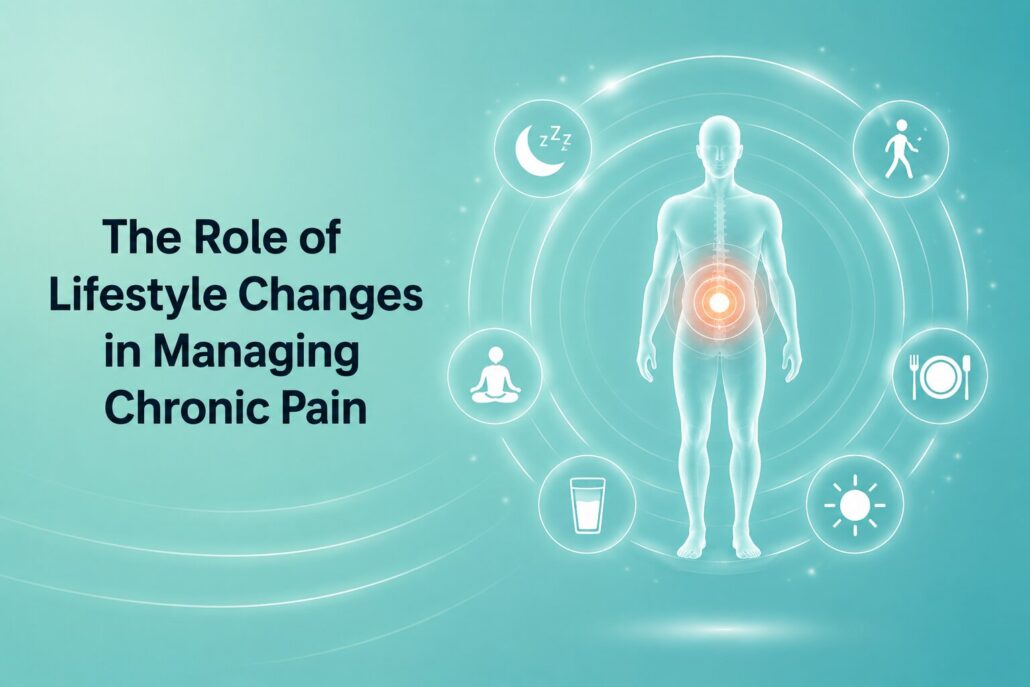
Many people do not know how greatly daily habits influence chronic pain; the level of pain you feel is strongly affected by how you move, sleep, eat, and feel. The good news is that this influence can be used to mitigate your chronic pain by changing your daily habits.
Modern research shows that adopting healthier habits can play a major role in reducing pain and improving quality of life. Therefore, it is crucial to know how simple lifestyle changes can help manage chronic pain alongside medical treatment.
Why Lifestyle Adjustment Matters
Chronic pain conditions such as sciatica, fibromyalgia, and migraines can be complex and influenced by multiple factors other than physical damage. Research shows that lifestyle factors such as inactivity, poor sleep, stress, and an unhealthy diet can worsen and perpetuate chronic pain. So, these are the factors worth targeting when managing chronic pain.
There has been a big shift in the world of medicine towards using a multimodal approach to manage patients with chronic pain. This means doctors and specialists would tailor medical care for every individual with specific lifestyle changes to achieve better treatment outcomes.
Lifestyle Tips for Chronic Pain
1. Stay Active
Movement can be medicine, indeed, and even better; it is unlikely to cause any major negative effects on pain. One of the most important natural ways to manage pain is regular physical activity, even on top of physical therapy.
Evidence reviews found that exercise can reduce pain and improve disability compared to receiving no treatment in both the short and medium term. As a result, physical activity improves quality of life, making living with chronic pain easier.
In short, exercise regularly. There’s no need to start with grueling routines right away; start with low-impact activities such as walking, stretching, swimming, and light strength exercises. Consistency matters more than intensity.
2. Regulate Your Sleep
Sleep and pain are closely connected. Poor sleep can increase pain sensitivity. On the other hand, feeling more pain prevents good sleep. While the relationship between sleep and pain is a vicious cycle, it can be used to the benefit of anybody suffering from chronic pain.
Improving sleep is one of the most overlooked healthy habits that can help in pain relief. As increased sleep time heightens daytime alertness, and thus reduces pain sensitivity by stabilizing the nervous system and regulating sleep-related hormones like melatonin.
Simply, the goal is to get those extra hours of deep sleep. Start by going to bed and waking up at the same time every day, even on weekends. This trains your body’s internal clock to follow a consistent sleep routine. Avoid screens before bedtime, and make sure your sleeping environment is calm, comfortable, and dark.
3. Follow an Anti-Inflammatory Diet
Diet has a good possibility of affecting chronic pain, especially through inflammatory and anti-inflammatory food. Nutrition changes are considered a low-risk, low-cost, and low-tech option for chronic pain management, potentially improving quality of life and reducing overall morbidity.
Consider following a diet that reduces inflammation by avoiding processed foods, sugar, and alcohol. Also, a low-fat, plant-based, and low-calorie diet is shown to have positive beneficial effects on the severity of neuropathic pain.
Healthy eating patterns and weight management are simple but powerful natural ways to manage pain.
4. Manage Your Stress and Mental Health
There is significant link between chronic pain, stress, and emotional health. More specifically, chronic pain symptoms seem to exacerbate in response to any type of stress, as stress can increase muscle tension and amplify how pain is perceived.
Managing stress is a key part of long-term pain control. Try to manage your stress by practicing relaxation techniques (like deep breathing and meditation), going to therapy if needed, and staying positive and socially connected.
5. Combine Lifestyle Changes for Better Results
All the lifestyle changes discussed previously are connected and can positively affect each other; less stress means more restful sleep, and rest paves the way to a more active lifestyle, which in turn helps alleviate stress and pain.
Combining several of the changes stated above can only lead to a healthier lifestyle, thus increasing control over your pain. To more effectively plan your habit adjustments, it is best to consult a professional that can design a personalized multimodal plan to change your lifestyle.
It’s Time to Take Control of Your Pain
Whether you are planning to manage your pain by carefully adjusting your lifestyle or seeking more direct treatments, visiting a pain specialist is a great course of action. Getting personalized treatment at a trusted pain clinic can make a real difference, especially when lifestyle changes prove to be insufficient.
Don’t let pain control your life. Make an appointment with Dr. Samer Abdel-Aziz’s pain clinic in Amman and choose the right treatment plan for you.
- 🗓️ Book your first appointment here: Contact us
- 🗓️ Call us at +962790922204 or contact us via WhatsApp
Feel free to email your questions or concerns to info@samerpainclinic.com
Sources:
https://pmc.ncbi.nlm.nih.gov/articles/PMC11594944
https://pubmed.ncbi.nlm.nih.gov/39268447/
https://pubmed.ncbi.nlm.nih.gov/39884001/
https://pmc.ncbi.nlm.nih.gov/articles/PMC9145084
https://www.ncbi.nlm.nih.gov/books/NBK569982
https://www.cochrane.org/evidence/CD009790
https://pubmed.ncbi.nlm.nih.gov/23204609/

