Can Your Daily Habits Be Causing Your Pain? Small Behaviors with Big Impact!
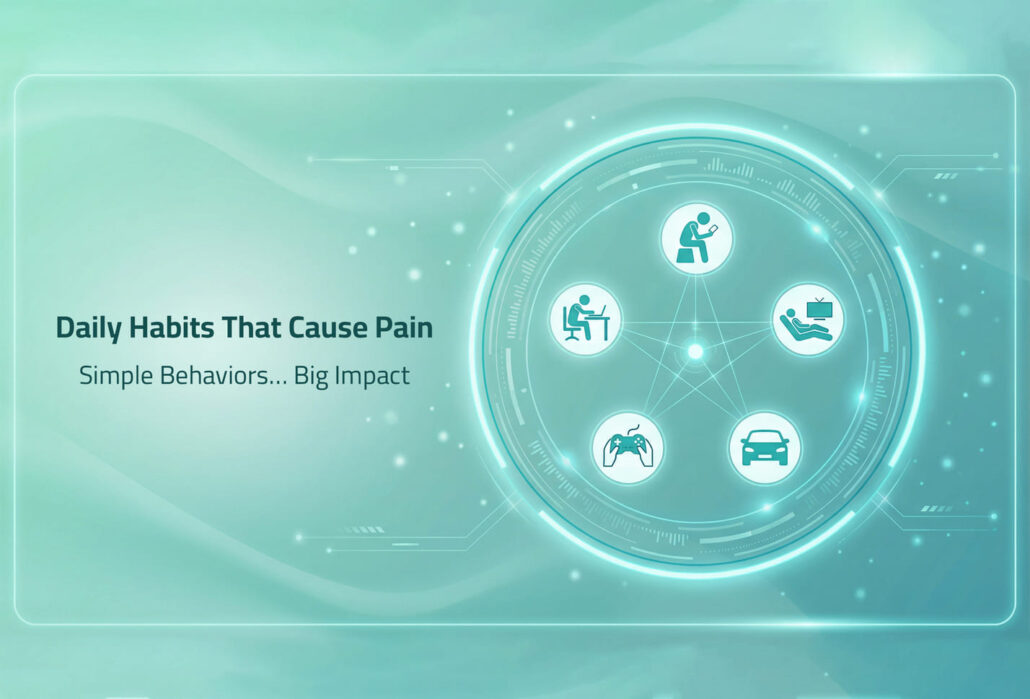
Many may think that their pain came unprompted from seemingly nowhere, but the truth is that there are many invisible causes of pain, some of which are normal and common daily habits. The way people live can be negatively affecting their comfort all along, and it can also take part in causing stubborn chronic pain over time.
Make sure to read farther to check the lifestyle habits that can cause you pain, and to learn various long-term pain prevention tips so you can make meaningful changes in your life.
Daily Habits That Contribute to Pain
1. Physical Inactivity
One of the most consistently identified lifestyle factors linked with more severe pain is physical inactivity and sedentary lifestyles. A major population study of older adults found that people who rarely did activities (that used moderate energy) were significantly more likely to experience severe pain compared to those more physically active.
Inactivity also tends to weaken muscles and joints, reduce flexibility, and increase muscles stiffness, all of which can intensify pain and slow recovery from issues connected to muscles, joints, and bones. An active body is more agile and thus has healthier joints.
2. Poor Sleep

The relationship between disturbed sleep and chronic pain is well established. Bad sleep affects the brain and makes it feel intensified pain, and pain inhibits the body from having a restful sleep. This continues in an ever-vicious cycle.
Research shows that poor sleep or chronic insomnia significantly increases the risk of developing activity-limiting spinal pain, especially when combined with other unhealthy lifestyle factors. People with sleep problems and poor lifestyles had up to 3.5 times the risk of developing chronic spinal pain compared to those with healthier patterns.
3. Lacking Diet and Nutrition
Whether your pain is chronic or temporary, what you eat matters. It matters because your diet and the quality of your nutrition influence your systemic inflammation, pain perception, and mood.
The relationship between nutrition and chronic pain is complex, but research into chronic pain conditions like fibromyalgia shows that eating food with high inflammatory potential (food that contain refined carbs and trans fats) is associated with greater pain and disease severity. It is also studied how people with low intake of vitamins C/E and polyphenols can feel amplified pain.
4. Unmanaged Stress and Bad Habits
Bad habits, like smoking and alcohol drinking, have also been linked with a more pain-sensitive nervous system. Smoking is also associated with greater impairment in patients with fibromyalgia as it attributes to slower tissue healing and impaired blood flow.
Stress and anxiety can be detrimental to your pain experience as they increase inflammation, cause muscle tightness, amplify pain signals, and hinder natural recovery and relief. Thus, leaving them unmanaged would leave a negative effect on people suffering from chronic pain.
5. Harmful Posture
There are also smaller things in your daily routine that can trigger pain like, prolonged sitting, poor posture or wearing tight shoes. All of these can strain muscles, cause spinal disc issues, and put pressure on joints leading to neck, back, or knee pain over time. Bad posture is especially linked to low back pain.
Small Changes with Huge Impact

If after reading about the habits above you are thinking of adjusting your lifestyle to relieve your pain and prevent it, here are the things you need to do:
- Move consistently. Physical activity has relieving effects and is a core component of chronic pain management because of its positive influence on sleep, stress regulation and dietary habits.
- Prioritize sleep and make your sleeping environment as comfortable as possible.
- Eat more anti-inflammatory foods like whole foods, fruits, vegetables, and food rich in Omega-3.
- Adopt stress-reducing habits. These can reduce muscle tension and improve pain processing.
- Correct your posture. If you sit for long periods, take short breaks every hour to stand, stretch, or walk.
When You Will Need Expert Help
Sometimes, lifestyle changes alone aren’t enough. If you feel your pain intensifying and lasting despite adjusting your lifestyle, or if the pain interferes with your daily routine, it is time to visit a specialist. A pain specialist can evaluate your pain’s root causes, advise you on what to do, and offer evidence-based treatments that align with your condition.
If you’re ready to break free of pain, book an appointment with Dr. Samer Abdel-Aziz’s pain clinic. We’ll work with you to create a personalized plan that addresses your pain holistically so you can live more comfortably and confidently.
🗓️ Book your first appointment here: Contact us
🗓️ Call us at +962790922204 or contact us via WhatsApp
Feel free to email your questions or concerns to info@samerpainclinic.com
Sources:
https://pubmed.ncbi.nlm.nih.gov/39884001/
https://www.sciencedirect.com/science/article/pii/S1389945724000169
https://www.mdpi.com/2077-0383/11/19/5950
https://pmc.ncbi.nlm.nih.gov/articles/PMC10548303
https://pubmed.ncbi.nlm.nih.gov/40407467/
https://www.frontiersin.org/journals/physiology/articles/10.3389/fphys.2023.1221807

