Understanding Trigeminal Neuralgia: Causes and Advanced Facial Pain Treatments
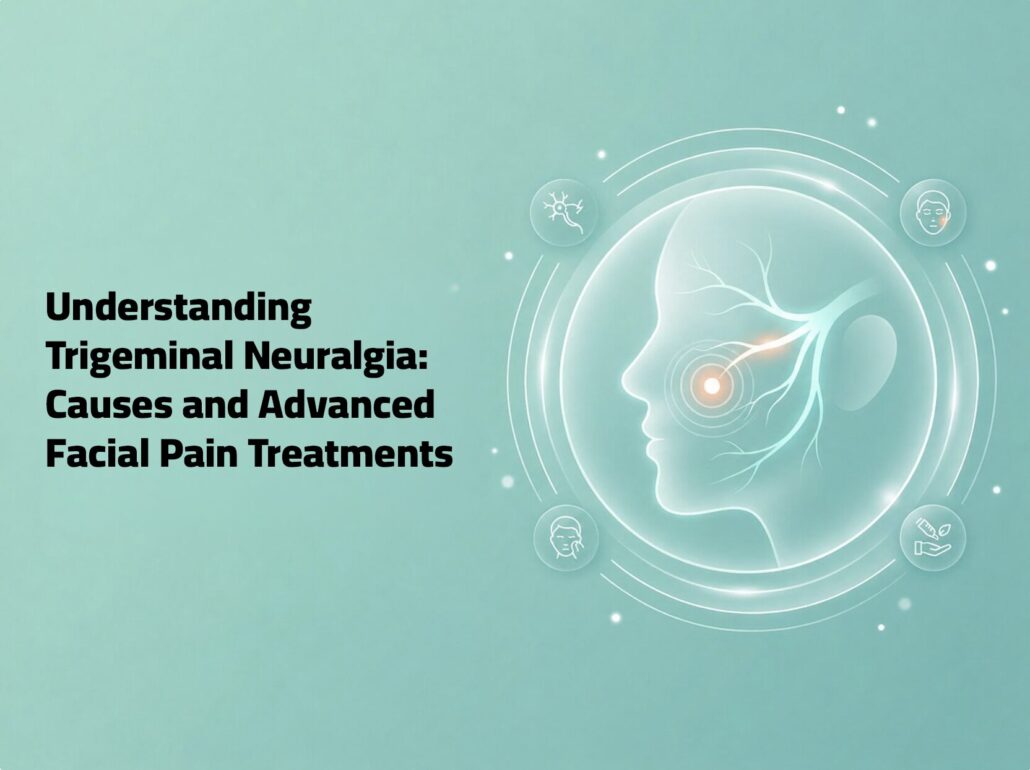
Experiencing sudden mild facial pain can be alarming, and that is what people with trigeminal neuralgia experience, but it becomes even more alarming when this pain intensifies and happens in longer and more frequent episodes. Trigeminal neuralgia is often described as unpredictable pain attacks, like electric shocks, felt on one side of the jaw, along the cheek, or on the forehead.
This painful condition can make simple daily activities extremely hard; as it makes things such as talking, chewing, or even brushing teeth extremely painful. It also causes disability with up to 45% of its patients, hindering them from doing usual daily activities for 15 or more days within 6 months.
The issue lies in that trigeminal neuralgia shares these symptoms with other conditions like sinus infections and dental issues. Thus, it is important to understand this chronic facial pain to better treat it.
What is Trigeminal Neuralgia?
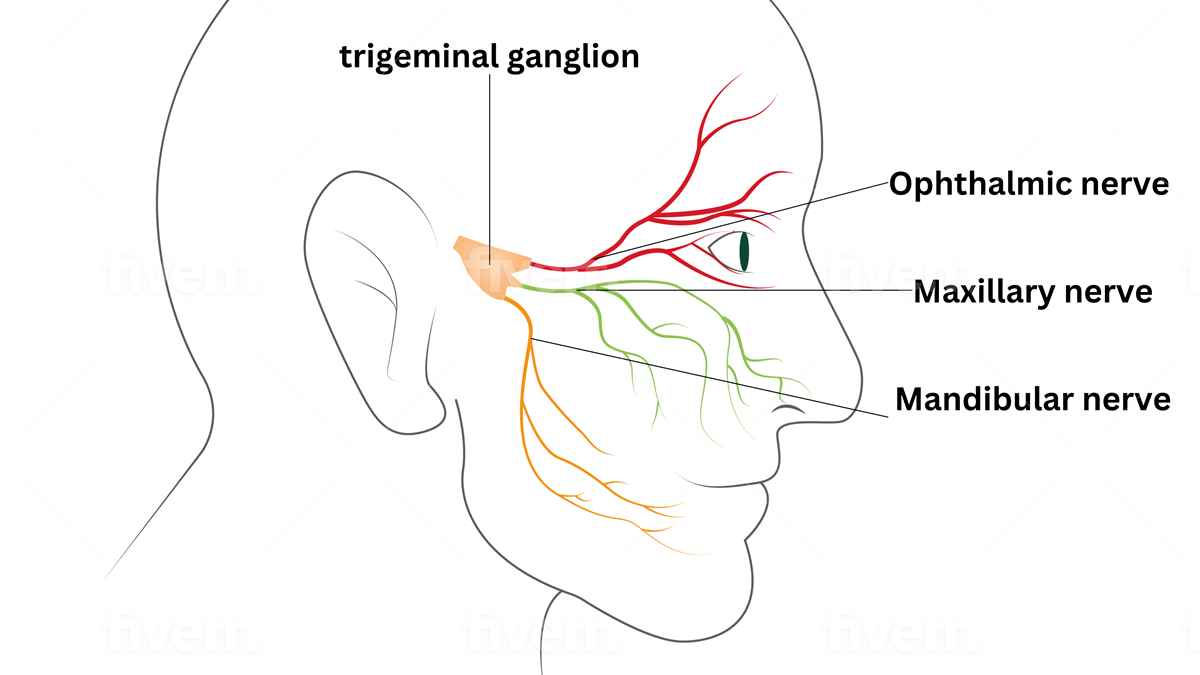
Trigeminal neuralgia is a chronic pain condition affecting the trigeminal nerve. This main nerve supplies the face with sensation; in total there are two trigeminal nerves in the human body, one on each side of the face, and each side has three branches. When a person is afflicted with trigeminal neuralgia, usually only one of these nerve branches is affected, with the right side of the face being the most affected.
The pain typically occurs in brief but intense episodes that can last from seconds to minutes and may recur many times a day along the path of the affected nerve branch. Around 40% of people with this condition report more than 10 attacks daily. People over the age of 50 are the majority of patients, but it can occur at any age.
What Causes Trigeminal Neuralgia?

In most patients, the underlying cause is compression of the trigeminal nerve by a nearby blood vessel. This compression puts pressure on the nerve, damaging the protective covering around it and leading to abnormal pain signals being sent to the brain.
While the compression from a blood vessel stays the most common cause for trigeminal neuralgia, there are many other potential causes such as:
- Multiple sclerosis
- Tumors pressing up against the trigeminal nerve
- Strokes
- Facial trauma
- Nerve injury due to prior surgical procedures
Whichever the cause is, people with this condition can be assured by the fact that modern medicine offers highly effective options for facial pain relief and long-term nerve pain treatments. However, it is of upmost importance to get diagnosed and treated properly.
Without proper treatment, trigeminal neuralgia attacks can become more frequent and more intense over time. So, early and targeted therapy can significantly reduce pain severity and improve quality of life.
Advanced Facial Pain Relief Options
Here are the treatment options for somebody who’s suffering from chronic trigeminal neuralgia:
1. Medications
The first-line treatment for trigeminal neuralgia are medications, specifically carbamazepine or oxcarbazepine. These drugs are most widely recommended as they stabilize nerve activity and are effective in many cases.
2. Nerve Blocks
For patients who do not achieve adequate relief with medications and those who want to avoid surgery, nerve blocks, which involve injecting an anesthetic and a steroid near the trigeminal nerve may provide temporary relief from pain.
This technique is effective in lowering stubborn trigeminal nerve pain immediately. It also complements oral medications taken for trigeminal neuralgia by offering comfort and confidence until the desired drug effect is achieved.
3. Gamma Knife
When pain from trigeminal neuralgia proves to be stubborn despite taking medications, clinicians may recommend stereotactic radiosurgery which includes a procedure called Gamma Knife. This non-invasive procedure focuses radiation precisely on the root of the trigeminal nerve to damage it and lessen facial pain.
Stereotactic radiosurgery is relatively successful in stopping pain for most people; it also results significantly decreasing the patient’s use of medications, but pain relief occurs gradually and may take up to a month.
4. Microvascular Decompression
Microvascular decompression is the most frequently used surgical procedure for trigeminal neuralgia caused by nerve compression. This procedure focuses on relieving pressure on the nerve through identifying and pushing away the vessels compressing the trigeminal nerve. Long-term studies show this approach can free selected patients from pain.
Consult A Professional to Get Proper Diagnosis
You don’t have to live every day with severe facial pain. Today’s advanced treatments for trigeminal neuralgia offer real hope for long-term comfort and restored quality of life.
If you are experiencing sudden facial pain or have been diagnosed with trigeminal neuralgia, Dr. Samer Abdel-Aziz’s pain clinic is here to help. Our expert team provides cutting-edge facial pain relief and customized nerve pain treatment in a safe and compassionate environment.
Book your consultation today to find the most suitable treatment for you.
- 🗓️ Book your first appointment here: Contact us
- 🗓️ Call us at +962790922204 or contact us via WhatsApp
- Feel free to email your questions or concerns to info@samerpainclinic.com
Sources:
https://www.mayoclinic.org/diseases-conditions/trigeminal-neuralgia\
https://pubmed.ncbi.nlm.nih.gov/28114183/
https://pmc.ncbi.nlm.nih.gov/articles/PMC8461413/
https://pubmed.ncbi.nlm.nih.gov/25231219/
https://eu-opensci.org/index.php/ejmed/article/view/41733/9699

