A Guide to Nerve Pain Management
What Is Nerve Pain and How Does It Differ from “Normal” Pain?
Nerve pain, also known as neuropathic pain, is distinct from the typical aches and pains we experience in muscles or joints. While “normal” pain serves as a protective mechanism, alerting us to injury or potential harm, nerve pain arises from damage or dysfunction within the nervous system itself.
Understanding the Difference: Normal Pain vs. Nerve Pain
- Normal Pain (Nociceptive Pain): This type of pain occurs when sensory nerves detect tissue damage or potential harm, such as touching a hot stove or sustaining a cut. It’s a protective response that prompts us to withdraw from harmful stimuli.
- Nerve Pain (Neuropathic Pain): Unlike nociceptive pain, neuropathic pain originates from the nerves themselves. It can result from various conditions, including diabetes, shingles, spinal cord injuries, or nerve compression. Harvard Health notes that neuropathic pain occurs when nerve fibers are damaged or no longer function correctly, leading to abnormal pain signals Harvard Health.
How Does Nerve Pain Feel in Your Body?
Individuals experiencing nerve pain often describe their symptoms using terms such as:
- Burning: A sensation akin to skin being scorched.
- Stabbing: Sharp, piercing pain that can be intense.
- Tingling or “Pins and Needles”: A prickling feeling, often in the extremities.
- Electric Shock-like Sensations: Sudden, jolt-like pains.
- Numbness: Loss of sensation in affected areas.
These sensations can vary in intensity and may be constant or intermittent, significantly impacting daily activities and quality of life.
Common Causes of Nerve Pain
Several conditions can lead to nerve pain, including:
- Diabetes: High blood sugar levels can damage nerves, leading to diabetic neuropathy.
- Shingles: The varicella-zoster virus can cause post-herpetic neuralgia, a form of nerve pain.
- Spinal Conditions: Issues like herniated discs or spinal stenosis can compress nerves.
- Infections: Certain infections can directly affect nerve tissue.
- Vitamin Deficiencies: Lack of essential vitamins, particularly B12, can impair nerve function.
Understanding the underlying cause is crucial for effective treatment.
What Are Peripheral Nerves and Why Do They Matter in Nerve Pain?
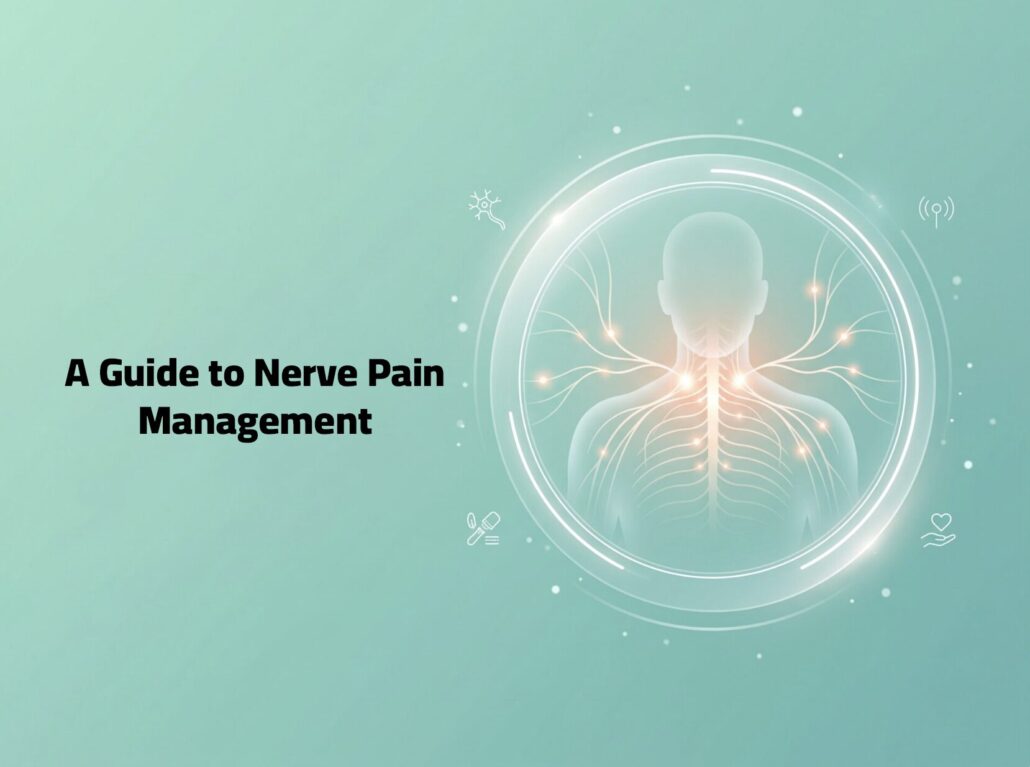
Peripheral nerves are the “messengers” that connect your brain and spinal cord to every part of your body: your arms, legs, organs, and skin. They carry signals that let you move, feel, and react.
When these nerves are damaged, compressed, or irritated, they don’t just stop working quietly: they send abnormal signals to your brain, which you feel as nerve pain. That’s why nerve pain can feel burning, stabbing, tingling, or like electric shocks, sometimes even when there’s no obvious injury.
Nerve Pain Treatment
Recognizing the characteristics and causes of nerve pain is the first step toward effective management. If you’re experiencing symptoms consistent with neuropathic pain, it’s essential to consult with a healthcare professional for a comprehensive evaluation and appropriate treatment plan.
Unlike regular aches, nerve pain doesn’t always respond to over-the-counter medications. This is why patients often feel frustrated, trying different remedies that provide little relief. Targeted professional care is essential.
Advanced Interventional Treatments for Nerve Pain
- Nerve Blocks: These injections can provide temporary relief by delivering medication directly to the source of the pain.
- Spinal Cord Stimulation (SCS): For severe or chronic neuropathic pain that hasn’t responded to other treatments, SCS can dramatically reduce pain. We offer both the Spinal Cord Stimulator Trial and permanent implants, demonstrating our comprehensive expertise.
Source: https://youtu.be/G8UaVioH4wY?si=G73HobwjhsViE3yk
Why Early Action Matters
Untreated nerve pain can lead to permanent damage, weakness, and reduced mobility. The sooner you get proper evaluation and treatment, the better your recovery and quality of life.
Why Over-the-Counter Painkillers Often Don’t Work
Regular pain medicines mostly help with muscle or joint pain. Nerve pain requires specialized treatments that target the nerves directly. This is why seeing a clinic that specializes in nerve pain is crucial.
Take the Next Step
If this nerve pain sounds familiar, don’t wait for it to get worse:
How We Treat Nerve Pain at Dr. Samer’s Pain Clinic
We use a multimodal approach tailored to each patient:
- Nerve Blocks: Targeted injections reduce inflammation and relieve pain directly at the source.
- Spinal Cord Stimulation: For severe chronic nerve pain, we offer trial and permanent implants to control pain signals.
- Medication for Nerve Pain: When needed, carefully prescribed medications can support recovery.
All treatments are minimally invasive, safe, and aimed at long-term relief; without surgery or opioids.

Book Your Consultation For Nerve Pain Treatment In Amman – Jordan
At Dr. Samer’s Pain Clinic in Amman, we identify the root cause of your nerve pain and provide fast, precise, and effective treatment.
- 🗓️ Book your first appointment here: Contact us
- 🗓️ Call us at +962790922204 or contact us via WhatsApp
Feel free to email your questions or concerns to info@samerpainclinic.com