Understanding Nerve Pain: Symptoms, Causes, and Treatment Options
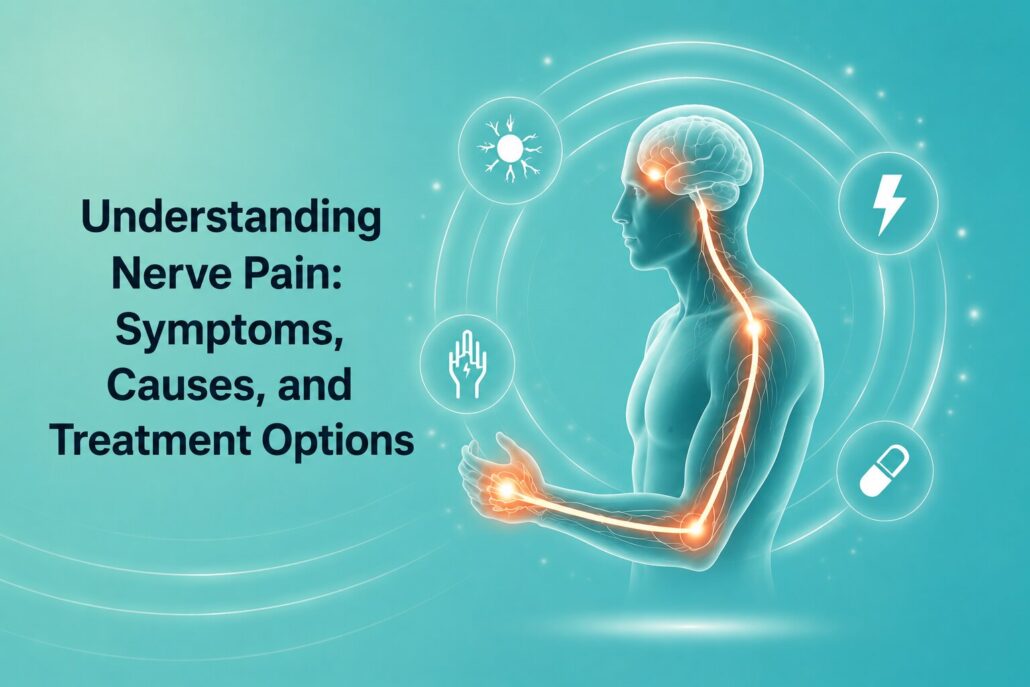
Nerve pain (or neuropathic pain) is a common pain condition, especially among older people. It can be caused by diseases like diabetes and shingles. Despite its prevalence, nerve pain is often misunderstood and under-diagnosed because there is no perfect standard test for diagnosing it.
If you suspect you are suffering from nerve pain, understanding this type of pain and your treatment options can help you take the right next step. Continue reading to know more about neuropathic pain, its symptoms, and its treatments.
What Is Nerve Pain?
Unlike typical pain caused by obvious injury, nerve pain originates from damage or dysfunction in the nervous system itself. More specifically, nerve pain is defined by the International Association for the Study of Pain as “pain caused by a lesion or disease of the somatosensory nervous system.”
Damaged or diseased nerve fibers at any level of the nervous system can send the wrong signals to pain centers in the body, resulting in sharp pain or a disproportionate sense of pain. Thus, nerve pain can emerge from various sources starting from the spinal cord, brain, and organs to arms, legs, fingers, and toes.
Neuropathic pain is considered common, as it is estimated that 6.9-10% of the general population suffers from pain with neuropathic characteristics. It is more common amongst older people according to a study of 145 elders which found that 32% of them reported suffering from nerve pain.
Nerve Pain Symptoms
Nerve pain has several distinct characteristics that help doctors identify it clinically. Patients with nerve pain often experience unusual sensations like burning, shooting, or tingling without an injury. Other common nerve pain symptoms include:
- Spontaneous sharp pain without a clear cause.
- Hyperalgesia, which means feeling a higher level of pain than normal.
- Hypoalgesia; numbness or reduced sensation in general.
- Allodynia; pain triggered by cold temperatures or light touches.
These symptoms can be constant or intermittent, and they may worsen over time if left untreated. This stresses the importance of seeking medical care for nerve pain as soon as possible.
Causes of Nerve Pain
Nerve pain can be the result of a wide variety of conditions and diseases, but these most commonly are:
- Diabetes, which is the leading cause of peripheral nerve pain.
- Herniated discs, which is one of the leading causes of sciatica (nerve pain that shoots from the hip down one leg).
- Spinal stenosis; a narrowing of the spinal canal which compresses and damages nerves that travel through the spine.
- Shingles, this disease causes painful rashes that cause nerve damage.
- Nerve injuries or trauma, this includes nerve damage caused by surgeries.
Why Nerve Pain Needs Specialized Treatment
Nerve pain behaves differently than other kinds of pain (like nociceptive or inflammatory pain) because the pain signal itself is abnormal, not just the nerve tissue sending it. This makes nerve pain a significant health issue that requires specialized diagnosis and care.
Nerve pain often requires multimodal and individualized treatment; combining more than one treatment to target every patient’s unique experience and pain. Thus, this multimodal treatment plan is best planned and administered by a certified pain specialists.
Nerve Pain Treatment
As stated above, proper neuropathic pain management involves a combination of therapies rather than a single one. Nerve pain treatment may include the following:
1. Medications
Recommend medications for nerve pain include antidepressants and anticonvulsants. On the other hand, medications like acetaminophen and NSAIDs are not recommended for this type of pain as there is insufficient evidence of their effectiveness.
2. Non-Surgical Treatments
Modern non-surgical nerve pain treatments can be highly effective in relieving pain, especially when the source of nerve irritation is clearly identified. They include:
- Nerve blocks, in which we inject medications including local anesthetics around the affected nerve.
- Epidural steroid injections, which deliver anti-inflammatory medicine around the spinal cord and nerve roots in the spine.
- Neuromodulation (like spinal cord stimulation), which alters pain transmission using electrical stimulation.
3. Surgical Treatments
When the underlying cause of neuropathic pain is nerve compression like in herniated discs or spinal stenosis, nerve decompression surgery might be the answer. During this surgery, the affected nerve is carefully released by removing surrounding tissue or widening the space around it. This restores healthy blood flow, reduces inflammation, and enhances nerve recovery.
4. Physical Therapy and Movement
Exercise and rehabilitation play a key role in multimodal approaches that aim to reduce nerve pain. Not only is exercise helpful to alleviate pain intensity, it also improves function and mobility.
Rehabilitation for nerve pain usually combines education with cognitive behavioral therapy (CBT) and exercise therapy. All these therapies help majorly in improving the patients’ quality of life and decrease their pain, insomnia, and mental stress.
Where to Get the Specialized Care Nerve Pain Needs
If you are experiencing symptoms of nerve pain, you should consider seeing a specialist. Early specialized treatment is important to avoid your chronic nerve pain becoming harder to treat over time. It also can help you avoid unnecessary surgery and achieve better long-term results.
Nerve pain can be severe and persistent, but there are multiple ways to treat it. If you are looking for nerve pain treatment in Amman, choosing the right clinic like Dr. Samer Abdel-Aziz’s pain clinic can make a significant difference.
Book an appointment today to seek an improved quality of life while living with nerve pain.
- 🗓️ Book your first appointment here: Contact us
- 🗓️ Call us at +962790922204 or contact us via WhatsApp
Feel free to email your questions or concerns to info@samerpainclinic.com
Sources:
https://journals.lww.com/pain/citation/2011/10000/a_new_definition_of_neuropathic_pain.8.aspx
https://www.sciencedirect.com/science/article/abs/pii/S0304395913006106
https://pmc.ncbi.nlm.nih.gov/articles/PMC6475124
https://my.clevelandclinic.org/health/diseases/15833-neuropathic-pain
https://pmc.ncbi.nlm.nih.gov/articles/PMC4949003/
https://pmc.ncbi.nlm.nih.gov/articles/PMC4008011
https://pmc.ncbi.nlm.nih.gov/articles/PMC12094711
https://pubmed.ncbi.nlm.nih.gov/34323441/
https://pmc.ncbi.nlm.nih.gov/articles/PMC11318642/
https://www.frontiersin.org/journals/medicine/articles/10.3389/fmed.2021.756940/full

