Chronic Pain and the Psychological Factor
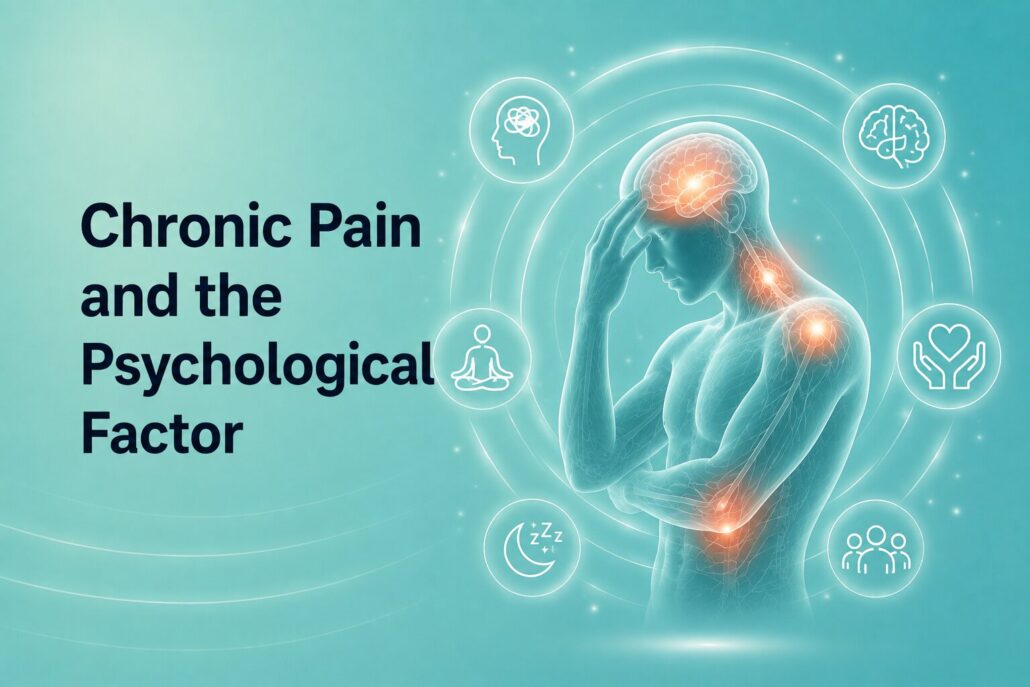
Chronic pain is the most common complaint in medical centers and the leading cause of disability in the world. Pain is classified into acute and chronic based on its duration. Acute pain lasts for less than 3 months, while chronic pain persists for longer than 3 months. Chronic pain prevents individuals from living their lives to the fullest, and it is a burden on individuals and countries, chronic pain affects 30% of individuals worldwide.
Chronic Pain: Conventional vs. Holistic Approaches
The conventional approach looks for the structural cause for this pain and treats it. We cannot deny the effectiveness of this approach, but in some cases, treating the structural cause is not enough. It turns out there are causes for chronic pain beyond the purely structural.
The biopsychosocial model forms the foundation of a holistic approach to chronic pain management. The biopsychosocial approach includes three factors:
- Biological factors: Genetics, physical health and physiology.
- Psychological factors: Thoughts, emotions, depression, anxiety, anger and coping skills.
- Social factors: Family dynamics, education, work, economic status, and cultural factors.
- The biopsychosocial model views pain as the result of a bidirectional interaction among the biological, psychological and social factors.
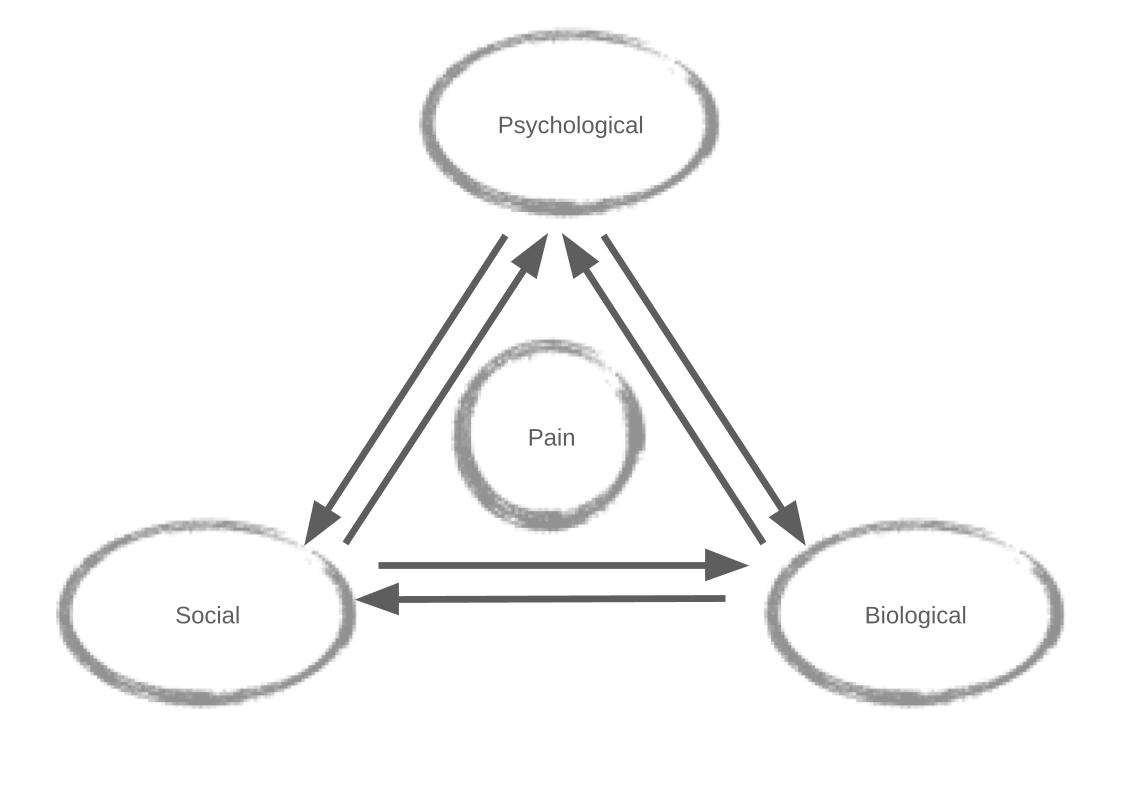
This triangle shows the dynamic interaction among these three factors. While structural damage might be the main factor in pain, persistent pain can trigger anxiety or frustration, which may then worsen the pain severity or reduce medications effectiveness. In the previous example, the pain started with one factor (the biological factor), which then affected the psychological factor; the psychological factor subsequently had a negative effect on the original factor. The three corners of the triangle interact with one another in the same way.
At Dr. Samer Abdel Aziz Pain Management Clinic, we always consider psychological and social factors alongside biological/physical factors when treating pain. In several articles, we have discussed the procedures we use at the clinic to treat the physical causes of pain. In this article, we will discuss the psychological factor.
Chronic pain and Psychology
There are many psychological approaches used to deal with chronic pain. At our clinic, we rely on three evidence-based modalities for chronic pain management.
- Cognitive Behavioral Therapy (CBT):
Cognitive Behavioral Therapy helps identify negative automatic thoughts about pain and its impact on a person’s life, and replace them with positive, realistic thoughts about pain and its effects.
- Acceptance and Commitment Therapy (ACT):
Acceptance and Commitment Therapy aims to help individuals live a meaningful, value-driven life despite the presence of pain, rather than focusing solely on eliminating the pain.
- Pain Reprocessing Therapy (PRT):
In some cases, certain types of pain may result from false danger signals generated by the brain. A person may experience genuine pain despite the absence of an identifiable physical cause. In such cases, Pain Reprocessing Therapy techniques aim to reprocess the brain by helping it recognize these signals as false alarms and reduce or eliminate the resulting pain response.
Is Addressing the Psychological Aspect Effective?
Numerous studies have demonstrated the benefits of addressing psychological factors in people with chronic pain. This approach has been associated with improved quality of life, better personal relationships, and greater overall activity, as well as reductions in pain intensity and physical symptoms.
At Dr. Samer Abdel-Aziz Pain Clinic, we recognize that every case is unique. We therefore adopt an integrated approach that considers physical, psychological, and social factors together and develops a comprehensive treatment plan to achieve better outcomes.
